
Description
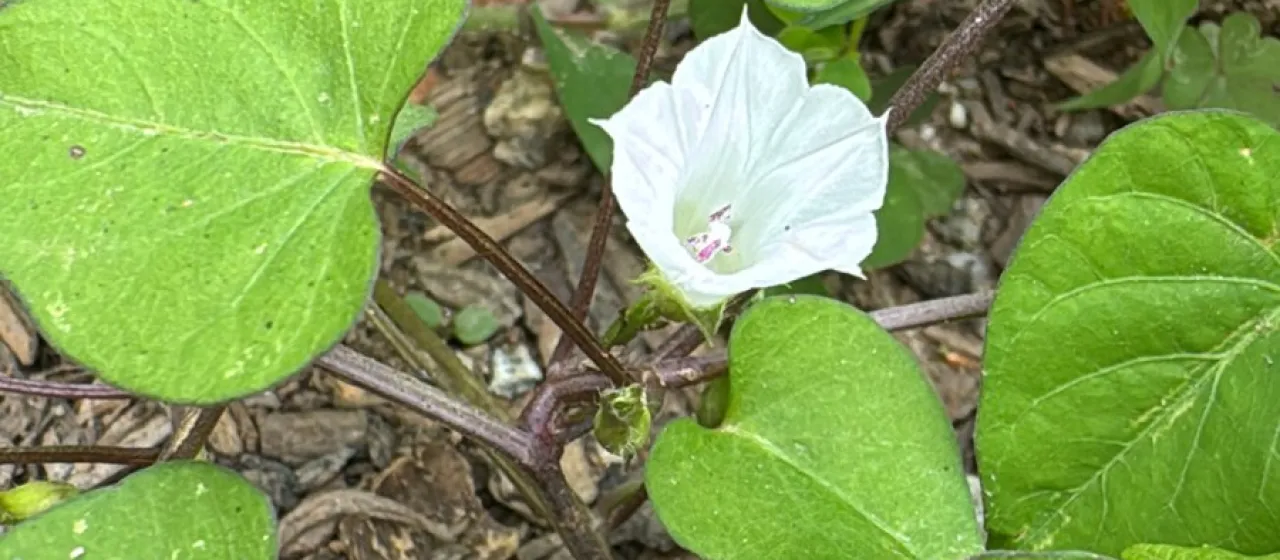
Pitted morning glory (Ipomoea lacunosa) is an annual herbaceous plant belonging to the Convolvulaceae family. In agricultural settings, it is widely recognized as a problematic weed that interferes with the production of row crops such as soybeans, corn, and cotton.
Originating from North America, this species has successfully adapted to various habitats. It thrives in temperate to subtropical climates and has become a major concern for farmers due to its rapid growth rate and ability to climb over crop plants, thereby reducing yields by shading and nutrient competition.
Botanically, Ipomoea lacunosa is characterized by thin, vining stems and heart-shaped leaves. The flowers are distinctive, usually small, white, or occasionally pale pink, appearing during the summer months. The plant produces small, dark seeds that are highly persistent in the soil seed bank.
Environmental requirements for the plant include abundant sunlight and adequate soil moisture. It is particularly competitive in fertile soils where tillage practices may inadvertently distribute its seeds. Successful management requires an understanding of its germination cycle, which typically peaks when soil temperatures rise consistently.
Agronomic control strategies for pitted morning glory include several key practices:
- Application of pre-emergence and post-emergence herbicides specifically targeting broadleaf weeds.
- Mechanical cultivation to disrupt root systems before the vining stage.
- Crop rotation to break the reproductive cycle of the weed.
- Maintaining soil fertility to support rapid crop canopy closure, which suppresses weed growth.
Common pests and diseases associated with pitted morning glory include aphids, spider mites, and various fungal pathogens. Because the plant belongs to the same family as sweet potatoes and other cultivated species, it can act as a secondary host for viruses and diseases, making it crucial to manage populations effectively to protect overall farm health.