
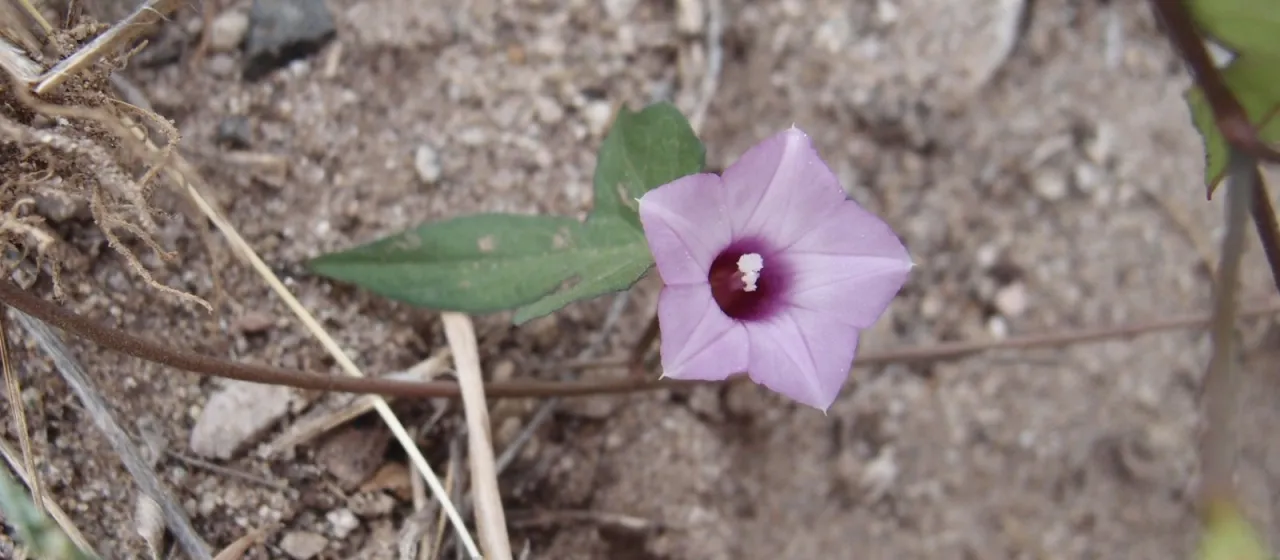
Description
White morning glory (Ipomoea leucantha) is a climbing herbaceous plant within the Convolvulaceae family. In an agricultural setting, this species is primarily identified as an invasive weed capable of causing significant yield losses in commercial crops by competing for essential resources such as nitrogen, moisture, and sunlight through its aggressive vine-like growth pattern.
The species is native to the Americas and has established a widespread range across tropical and subtropical environments. Its ability to thrive in diverse habitats has made it a common sight in cultivated fields, waste areas, and landscapes where disturbed soil facilitates its germination and rapid colonization of vacant niches.
Botanically, Ipomoea leucantha features slender, twining stems and cordate leaves. Its flowers are typically funnel-shaped and white, distinguishing it from other similar Convolvulaceae species. The root system is resilient, supporting survival through seasonal fluctuations. The plant's reproductive success is largely attributed to its prolific seed production, which remains viable in the soil bank for extended periods.
Effective agrotechnical control requires a comprehensive approach. The plant thrives in well-lit areas with fertile, well-drained soils. Because it is sensitive to deep shade, maintaining canopy density in primary crops can assist in suppression. Systematic mechanical cultivation is crucial, particularly in the early growth stages, to prevent the plant from becoming established and strangling the host crops.
Management of the species involves addressing several common threats and biological issues:
- Susceptibility to various fungal pathogens including powdery mildew.
- Infestation by diverse insect pests that utilize the plant as a secondary host.
- Persistent competition with soy, corn, and cotton crops, often necessitating targeted herbicide application protocols.