
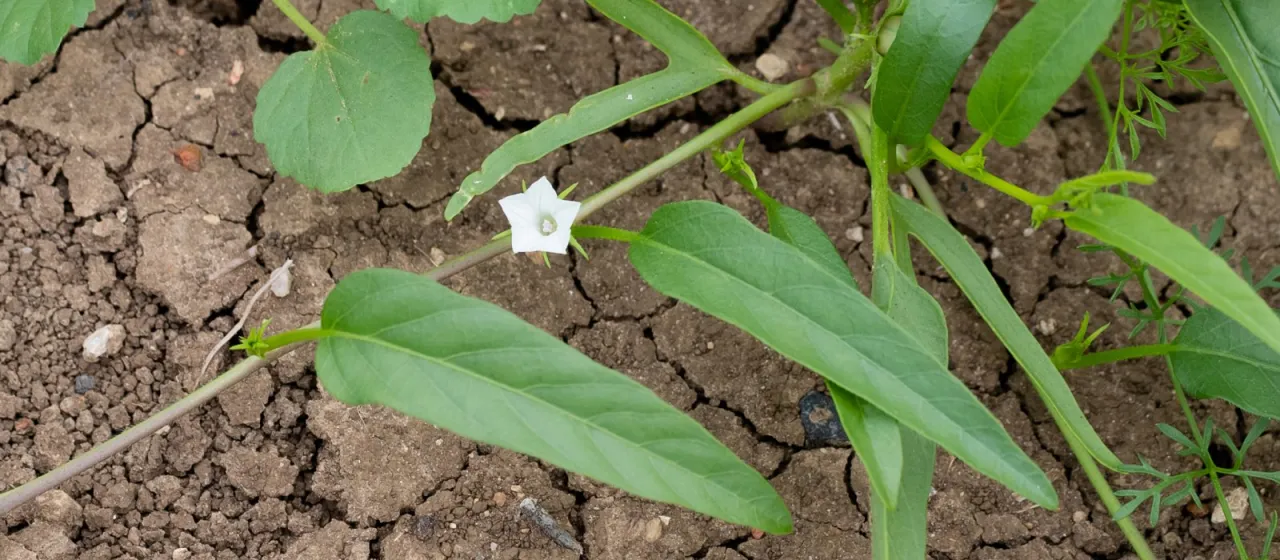
Description
Ipomoea lonchophylla is a herbaceous annual plant belonging to the Convolvulaceae family, commonly known as the morning glory family. Unlike its ornamental counterparts, this species is often recognized in agricultural settings for its ability to adapt to diverse ecological conditions, making it a subject of interest for agronomists and researchers studying plant distribution in rural landscapes.
The native range of Ipomoea lonchophylla is primarily centered in Australia. It thrives in open, disturbed areas, often found in pastures, along roadsides, and on the margins of water bodies. Its geographical prevalence suggests a high level of resilience to varying environmental stressors, allowing it to colonize regions that might be hostile to more sensitive crop varieties.
Botanically, the species is defined by its distinct lanceolate-shaped leaves, which provide a clear identification marker compared to other members of the Ipomoea genus. The plant typically exhibits a creeping or trailing habit. Its flowers, which follow the classic funnel-shaped structure of the genus, are biologically optimized for attraction of specific pollinators to ensure successful seed production.
From an agricultural standpoint, Ipomoea lonchophylla requires significant solar exposure and prefers well-drained soil types. While it possesses drought-tolerant traits, its management is crucial when it appears in croplands. The primary agrotechnical approach involves integrated pest and weed management, combining mechanical tillage and targeted herbicide applications to prevent the plant from competing with the primary crop for essential soil nutrients.
In terms of хозяйственное (economic) utility, this plant is generally not cultivated as a primary crop. However, managing its presence is essential to prevent it from acting as an alternative host for pests and diseases. Farmers should monitor fields for signs of infestation to mitigate risks to secondary crops, ensuring that the local ecosystem remains balanced and that crop yields are protected from unnecessary competition.
- Highly adaptive to arid and semi-arid conditions.
- Rapid germination and growth cycle.
- Potential to act as a host for common agricultural pathogens.
- Requires strategic monitoring in crop rotation systems.