
Description
Ipomoea microdactyla is a perennial herbaceous plant belonging to the Convolvulaceae family. Unlike many annual varieties of morning glories, this species is known for its tuberous root system, which serves as a vital energy reservoir, allowing the plant to survive in its native tropical habitats despite seasonal fluctuations in water availability.
Originating from the Caribbean region, including Cuba and parts of South Florida, this species has adapted to distinct ecological zones. It typically thrives in open pinelands and limestone-based soils, demonstrating a high tolerance for substrates that are well-drained and relatively low in organic matter compared to lowland tropical rainforests.
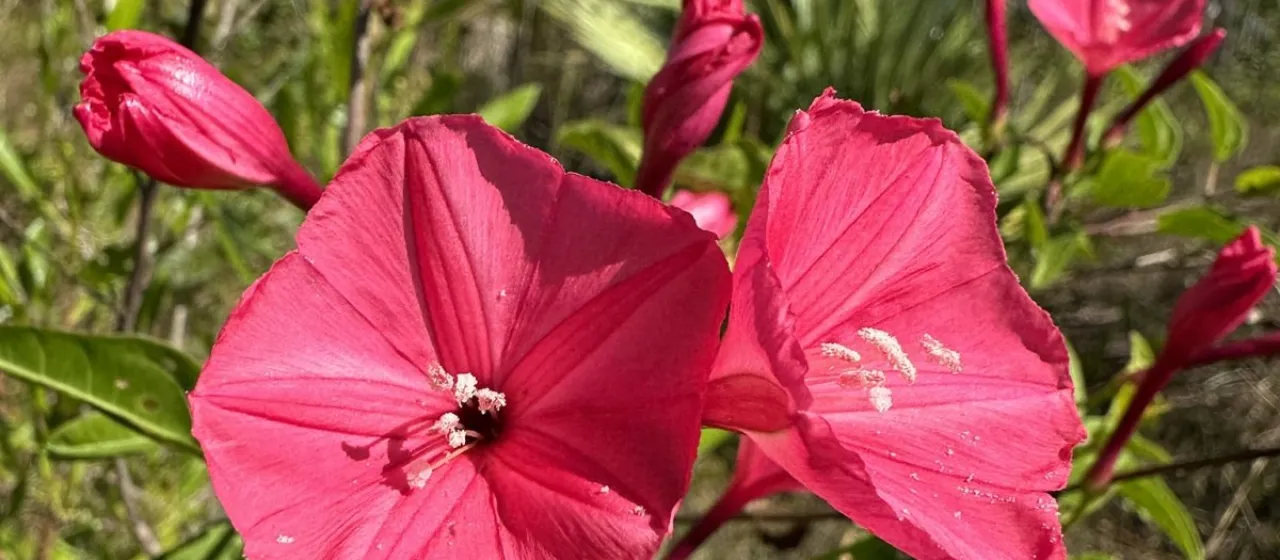
Botanically, the plant is characterized by its slender, vining stems and distinctive deeply lobed leaves, which gave rise to its specific epithet. The flowers are typically a vibrant shade of pink to red, featuring the classic funnel shape characteristic of the genus. These morphological traits make it a distinctive member of the Ipomoea genus, easily distinguishable from its common garden cousins.
Regarding climate and soil requirements, Ipomoea microdactyla demands high levels of solar radiation and warm temperatures to thrive. It cannot withstand frost, making it suitable for cultivation primarily in tropical or subtropical zones, or in controlled environments like greenhouses. The soil must provide exceptional drainage to prevent tuber rot, which is the most common cause of failure in cultivation.
The main uses of this plant are primarily in botanical collections and specialized landscaping projects where its rare status and aesthetic appeal are highly valued. Standard management practices include monitoring for pests such as whiteflies and spider mites, which are common in tropical greenhouse conditions. Disease prevention relies heavily on maintaining proper air circulation and strictly controlling irrigation cycles to mimic the dry season patterns of its natural habitat.