
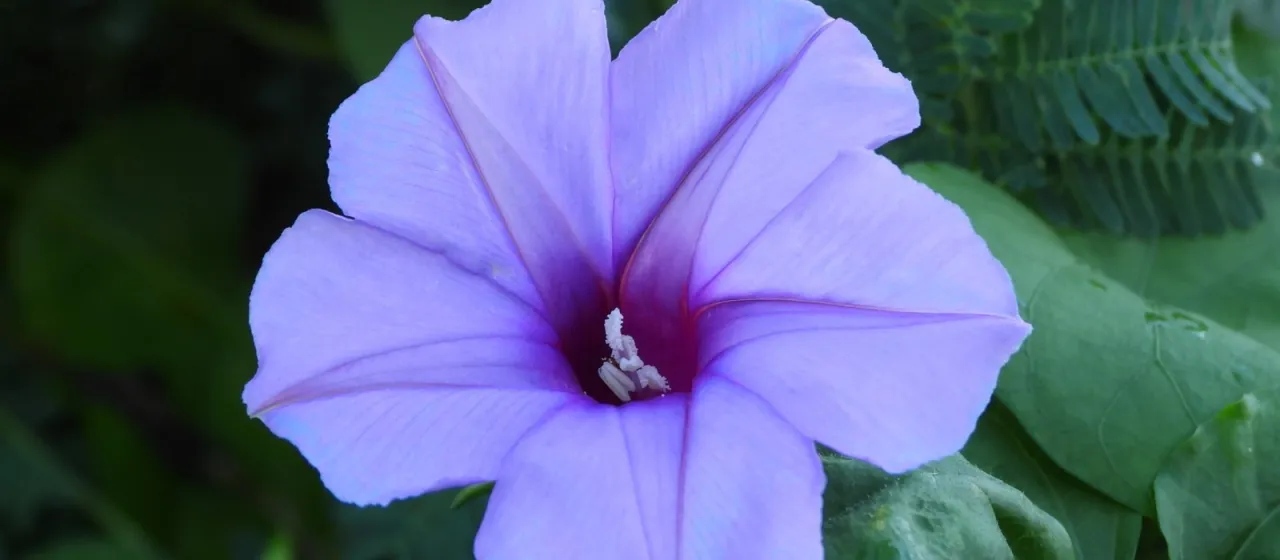
Description
Ipomoea muricata is an annual herbaceous vine belonging to the Convolvulaceae family. It is distinct for the small, wart-like protuberances found on its stems, which gives the plant its specific botanical character. As a vigorous climber, it is widely valued for its rapid growth rate, allowing it to cover vertical structures effectively within a single growing season.
The plant is native to tropical regions of Asia, primarily found in India and neighboring areas. It thrives in humid, warm environments and requires consistent temperatures to maintain its metabolic activities. While naturally adapted to tropical climates, it has been introduced to various other regions where it is cultivated as an ornamental plant under protected conditions or during the peak summer months.
Botanically, it features cordate leaves and large, nocturnal, funnel-shaped flowers that bloom in the evening hours. The seeds are generally resilient and require standard stratification or scarification processes to improve germination rates. Its root system is extensive, necessitating soil with sufficient depth and nutrient content to support the rapid development of the climbing stems.
Agricultural requirements include well-drained, fertile soil with a neutral to slightly acidic pH. The plant demands full sunlight to produce the best flowering results. In cooler regions, starting seeds indoors is recommended to ensure the plant has a sufficient head start before being transplanted into the final location once the risk of frost has passed.
- Temperature range: thrives between 20°C and 30°C.
- Watering: requires regular irrigation, especially during the peak flowering phase.
- Structural support: heavy foliage requires sturdy trellises or netting.
Economically, Ipomoea muricata is primarily utilized for ornamental landscaping, though some traditional cultures have documented its minor medicinal uses. Common pests include aphids and spider mites, particularly in greenhouse settings. Effective management involves maintaining optimal air circulation and controlling soil moisture to prevent fungal root rots.