
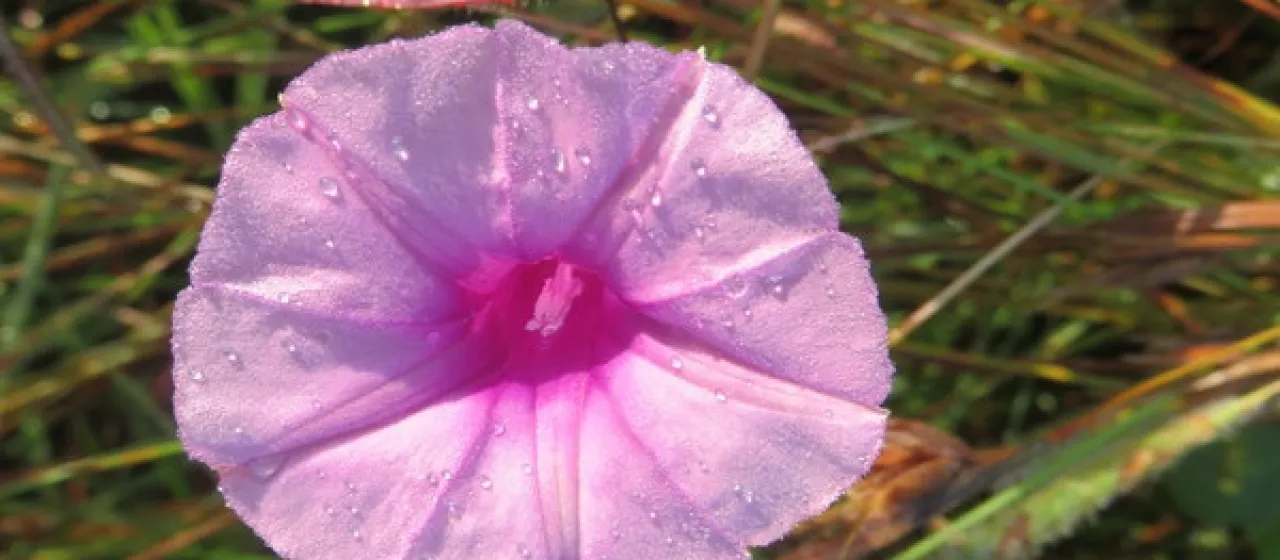
Description
Ipomoea papilio is a distinct species of herbaceous vine belonging to the Convolvulaceae family. Widely recognized for its rapid growth rate and ornamental value, this species serves as a popular choice for vertical gardening. It is genetically adapted to perform as a vigorous climber, utilizing specialized stems to ascend various structures effectively in diverse garden environments.
Native to the tropical and subtropical regions of South America, this plant thrives in areas characterized by high humidity and consistent warmth. Its native habitat includes forest edges and riparian zones, where it utilizes available sunlight to fuel its rapid expansion. In cultivated settings, it is grown primarily in regions that mimic its tropical preferences or as an annual in cooler climates.
The botanical structure of Ipomoea papilio features heart-shaped foliage and a robust root system that supports its aggressive upward growth. The plant is most notable for its trumpet-shaped flowers, which exhibit a unique color spectrum and patterns. These flowers typically bloom during the summer and early autumn, providing an important aesthetic contribution to the landscape while attracting beneficial pollinators.
Cultivation success depends heavily on site selection and soil preparation. The plant requires a well-draining, nutrient-rich loam to support its rapid biomass production. Regular irrigation is necessary, particularly during the peak of summer, to prevent wilting. Additionally, providing structural support such as trellises or wires is essential for the plant to reach its full potential height and density.
Regarding хозяйственное usage, Ipomoea papilio is primarily valued for its rapid shading capabilities and decorative screening in urban and rural landscaping. To maintain plant health, it is critical to implement a monitoring program for common biotic stressors:
- Aphids, which congregate on succulent new growth.
- Spider mites, which flourish in hot and dry weather conditions.
- Fungal pathogens such as root rot resulting from over-saturation of the substrate.
- Whiteflies, which can impact foliage vigor during peak growing seasons.