
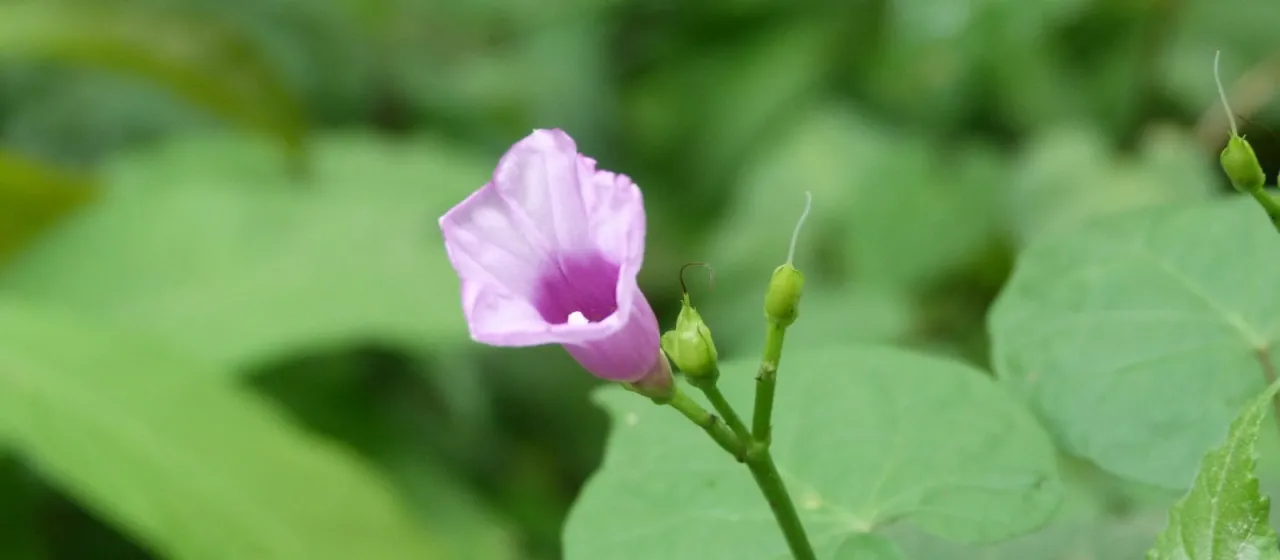
Description
Ipomoea ramosissima is a herbaceous climbing plant belonging to the Convolvulaceae family. Known for its vigorous growth habit, this species is highly valued in horticulture for its ability to provide rapid vertical coverage and its ornamental aesthetic in warmer climates.
The native range of this species is centered in the tropical regions of Central and South America. Historically, it has adapted to forest margins and open, sun-drenched areas within its habitat. In agricultural and horticultural contexts, it is cultivated primarily in tropical and subtropical zones, as it lacks cold hardiness and is typically treated as an annual in temperate regions.
Botanically, the plant is characterized by thin, highly branched stems that possess twining properties. The foliage is generally cordate, and the flowers exhibit the iconic trumpet shape common to the Ipomoea genus. Its rapid development cycle makes it an efficient colonizer of vertical structures, provided it has appropriate nutritional support.
Cultivation requirements are strict regarding moisture and light:
- Soil must be fertile and exceptionally well-draining to prevent root rot.
- The plant requires full sun exposure to trigger optimal flowering.
- Regular pruning is beneficial to manage the density of the foliage.
- Support structures such as trellises must be installed early in the season.
Regarding pest and disease management, the plant is susceptible to common garden pests such as aphids and spider mites, which can be mitigated with regular monitoring and integrated pest management practices. Fungal infections, particularly during high humidity periods, can occur, highlighting the need for good air circulation around the vines.