
Description
Saltmarsh morning glory (Ipomoea sagittata) is a perennial herbaceous vine belonging to the Convolvulaceae family. The plant is well-regarded for its unique arrow-shaped foliage and large, attractive trumpet-shaped flowers. As a resilient species, it is often found in coastal ecosystems where it thrives in challenging environments that would prove inhospitable to many other ornamental crops.
Originating from the coastal regions of the Americas and the Caribbean, this species is naturally adapted to seaside environments. Its habitat range includes salt marshes, sandy dunes, and humid coastal plains. While not a primary agricultural crop, its ability to thrive in saline soils makes it a subject of interest for environmental restoration and coastal landscaping projects across various warm-climate regions.
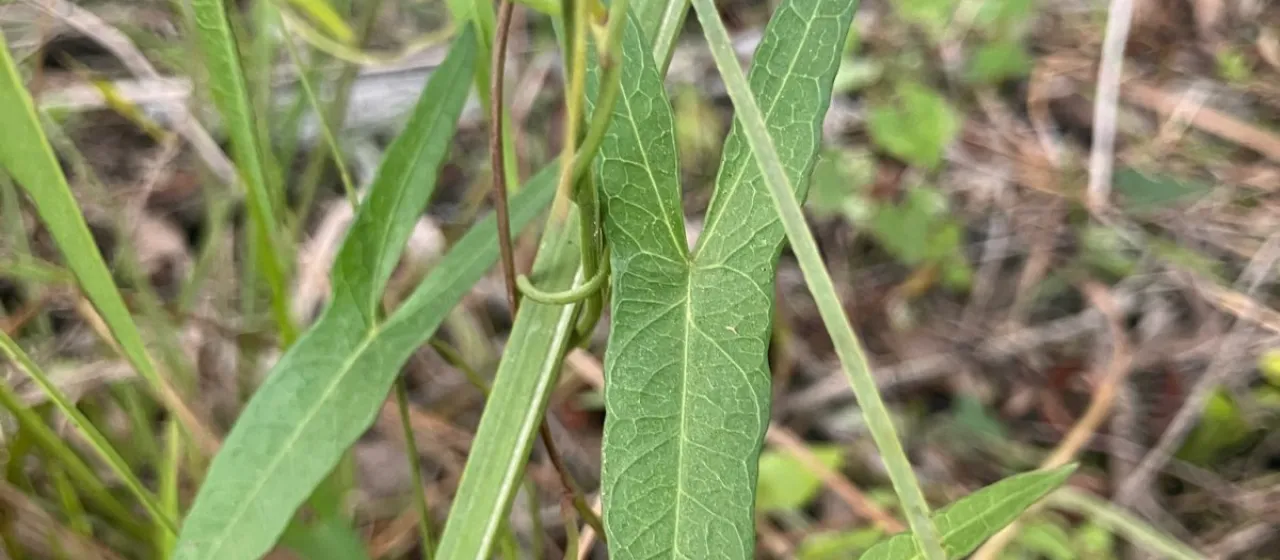
Botanically, the plant is characterized by a strong, often tuberous root system and twining stems. The leaves are distinctively sagittate (arrowhead-shaped), providing an elegant appearance that complements the vibrant pink to purple flowers. The plant exhibits a rapid growth habit, climbing over nearby vegetation or sprawling across the ground to create a protective cover for the soil surface.
Agrotechnical requirements for Ipomoea sagittata center on sunlight availability and soil drainage. While the species is highly tolerant of saline conditions, it requires well-drained, nutrient-rich soil to reach its full decorative potential. During cultivation, it is essential to provide vertical support structures, such as trellises, to encourage upward growth and maximize air circulation, which helps prevent foliage disease.
Maintenance involves monitoring for typical pests such as aphids and spider mites, particularly during periods of high heat or low humidity. Fungal issues like powdery mildew may arise if the plant density is too high or if drainage is insufficient. Currently, the primary economic use of this plant is ornamental, though it continues to be valued for its natural contribution to soil stabilization in erosion-prone coastal areas.