
Description
Chinese morning glory (botanical name: Ipomoea sinensis) is a herbaceous plant within the Convolvulaceae family. Known for its vigorous climbing habit and rapid growth, this species is frequently studied for its role in tropical ecosystems and its potential utility in various agricultural landscapes.
The plant originates from tropical regions of Asia and Africa. Throughout its natural range, it thrives in environments characterized by high solar radiation and periodic rainfall. Due to its hardiness, it has become a plant of interest in regions seeking hardy, drought-tolerant species for land stabilization and soil cover to prevent erosion in vulnerable agricultural fields.
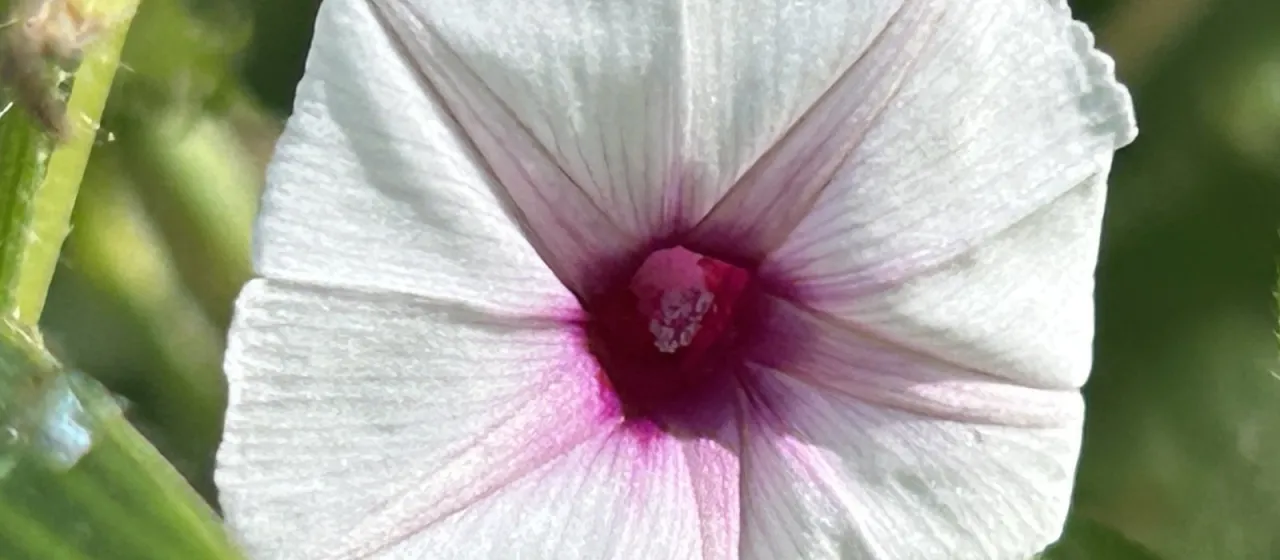
Botanically, Ipomoea sinensis is characterized by twining stems, alternate leaf arrangements, and the classic trumpet-shaped flowers associated with the genus. Its root system is relatively robust, allowing it to survive in soils that are not ideal for traditional high-input crops. The plant is essentially a pioneer species, capable of colonizing disturbed areas with limited nutrient availability.
In terms of agricultural requirements, the crop performs best in well-drained, fertile to moderately fertile soil. It requires full sun exposure to reach its maximum yield potential. Management practices include timely sowing during the onset of the warm season and ensuring appropriate spacing to minimize competition for nutrients. It is generally low-maintenance, requiring minimal chemical intervention when grown under appropriate climatic conditions.
The economic and practical utilization of this crop is multifaceted:
- Used as a green manure to increase organic matter content in depleted soils.
- Serves as a source of forage for livestock in specific tropical farming systems.
- Provides significant soil erosion control on sloped terrains.
- Used in local agricultural practices as a biological ground cover to suppress weed growth.