
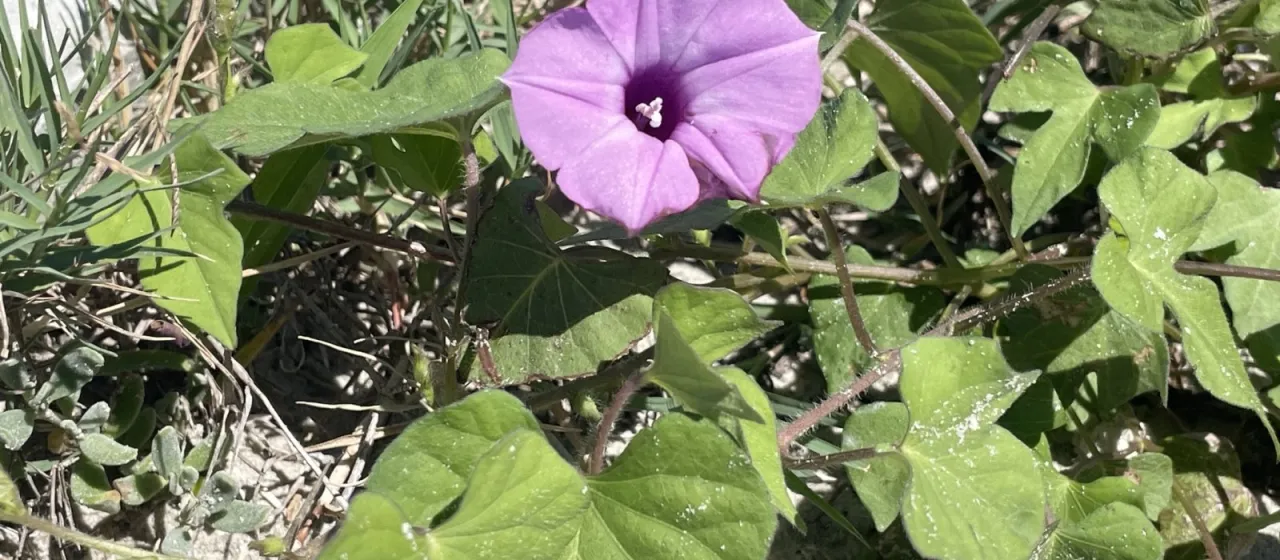
Description
Ipomoea trichocarpa, commonly known as a type of morning glory, is a herbaceous climbing plant within the Convolvulaceae family. In agronomic terms, it is recognized primarily for its aggressive growth habit, often becoming a significant weed species in various agricultural systems across its native and introduced ranges.
The species originated in the Americas and has successfully expanded into various tropical and subtropical regions. Its ability to thrive in diverse environments, ranging from fallow fields to managed crop lands, makes it a resilient plant that can rapidly dominate an area if left unmanaged during the early stages of crop development.
Botanically, this plant is characterized by its vining stems, heart-shaped leaves, and distinct funnel-shaped flowers, which typically range in color from pink to purple. The specific epithet trichocarpa refers to the hairy texture of the seed capsules, which is a key morphological feature for identification compared to other members of the genus.
The cultural requirements for Ipomoea trichocarpa include plenty of sunlight and a warm climate. It prefers well-drained, fertile soil, though it can tolerate a variety of soil types. Effective agronomic management requires a combination of mechanical control, such as cultivation and tillage, and chemical interventions to prevent seed production and minimize competition with primary crops.
- Strong vining growth habit.
- High tolerance to various soil conditions.
- Sun-loving nature.
- Significant seed dispersal capacity.
- Susceptibility to common leaf diseases.
From an agricultural standpoint, the focus is on mitigating its impact as a weed. Like many Convolvulaceae, it can host various pests and pathogens, including fungal leaf spots and viruses that may negatively affect crop yields. Integrated pest management (IPM) strategies, including crop rotation and the use of pre-emergent herbicides, are essential to maintain field hygiene where this plant is present.