
Description
Ipomoea trifida is a perennial herbaceous vine belonging to the Convolvulaceae family. In the agricultural sector, it is highly regarded as a key wild relative of the cultivated sweet potato (Ipomoea batatas). Because of this close phylogenetic relationship, the plant serves as a vital genetic resource for modern breeding programs aimed at improving crop resilience.
The native range of this species extends throughout the tropical regions of Central and South America, with a significant presence in Mexico, Colombia, and Venezuela. It typically thrives in warm, humid environments, often colonizing forest edges or thickets where it can climb using other vegetation as a natural support structure.
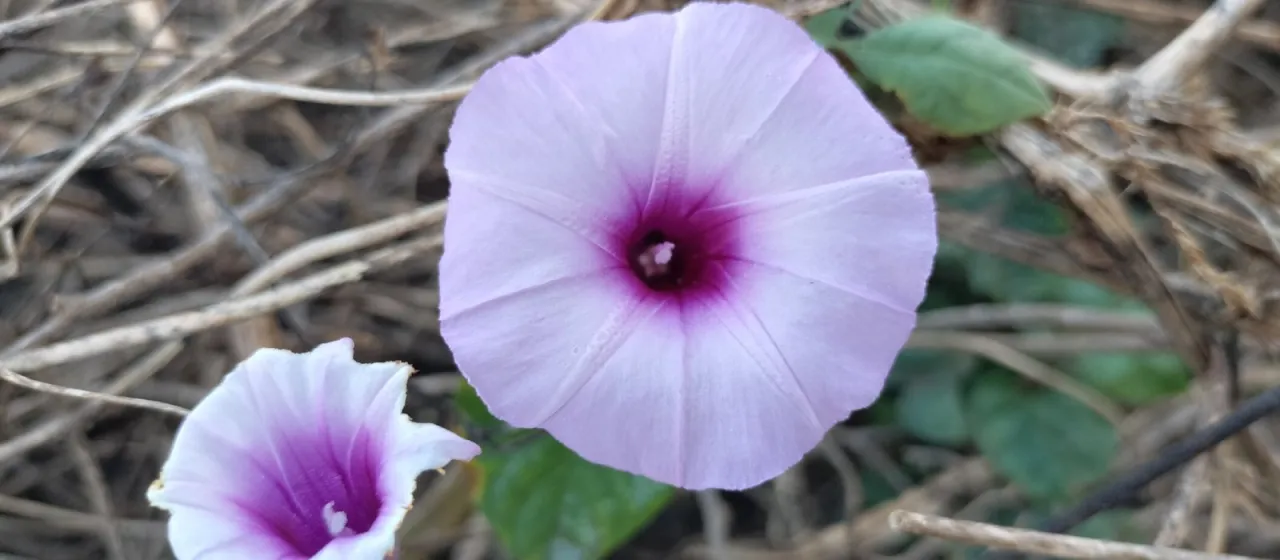
Botanically, Ipomoea trifida is characterized by its slender climbing stems and distinctively shaped leaves, which can range from cordate to trilobed. The root system is capable of developing small tubers, although they are generally much smaller and less fleshy than those of the domesticated sweet potato. The plant produces attractive, funnel-shaped flowers, typically in shades of pink, purple, or lavender.
From an agrotechnical perspective, the plant requires consistent warm temperatures and a generous amount of sunlight to flourish. It prefers well-drained, nutrient-rich soils and is sensitive to waterlogged conditions, which can lead to root rot. Successful cultivation often necessitates the provision of trellises or similar structures to allow the plant to vine effectively, which enhances gas exchange and prevents foliage disease.
The primary economic and scientific utility of Ipomoea trifida lies in its role in crop improvement. Researchers utilize its genetic diversity to introgress traits such as pest resistance, environmental stress tolerance, and disease immunity into commercial sweet potato varieties. While it is not typically grown as a mass-market food crop, its existence is crucial for global food security through continuous agricultural innovation.
- Close genetic relationship with Ipomoea batatas.
- Potential for developing biotic stress resistance.
- Tropical climate requirements for optimal growth.
- Vegetative propagation via stem cuttings.
- Significant value in plant genetic resources conservation.