
Description
Ipomoea tuboides is a distinct species of perennial vine belonging to the Convolvulaceae family. Widely recognized for its structural resemblance to other morning glories, this species is specifically adapted to particular island ecosystems, exhibiting unique physiological traits that allow it to thrive in nutrient-poor and arid environments.
The native range of Ipomoea tuboides is primarily found within the Hawaiian archipelago. It is typically observed in dry forest zones and coastal scrub, where it occupies niches that require high tolerance to salt spray and periodic water scarcity. Its presence in these areas highlights its evolutionary success as a drought-hardy climber in tropical island habitats.
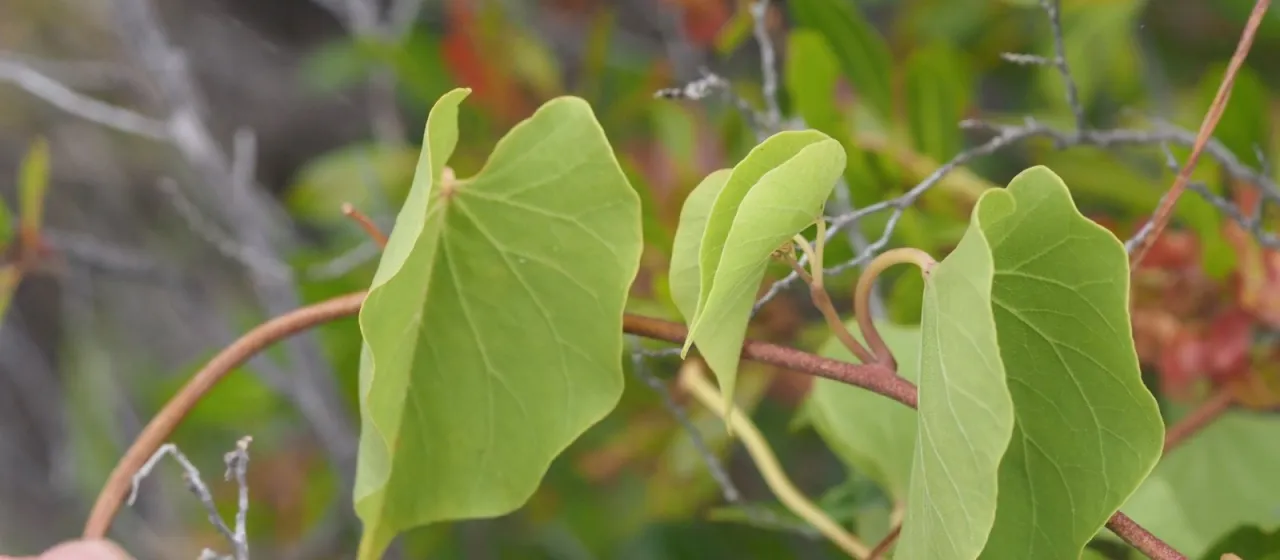
Botanically, the plant is characterized by its trailing or climbing habit, often developing woody stems as it matures. The leaves are generally heart-shaped, providing significant shade cover. The flowers are notably tubular in shape, often ranging in color from creamy white to pale pink, functioning as an essential nectar source for specific local pollinators.
Regarding cultivation, this species demands well-draining, sandy or rocky substrates and high solar radiation. Unlike many agricultural crops that require rich, moisture-retentive soils, Ipomoea tuboides excels in leaner conditions. The primary agrotechnical requirement is the avoidance of waterlogging; excessive moisture can lead to root rot, which is the most frequent cause of plant mortality.
Economically, the plant serves primarily an ornamental and conservation-related purpose, helping to stabilize sandy soils in endemic habitats. It is rarely utilized for food or fiber. Potential threats to the plant include typical pests such as whiteflies and spider mites, particularly when cultivated in confined environments or glasshouses with restricted airflow.