
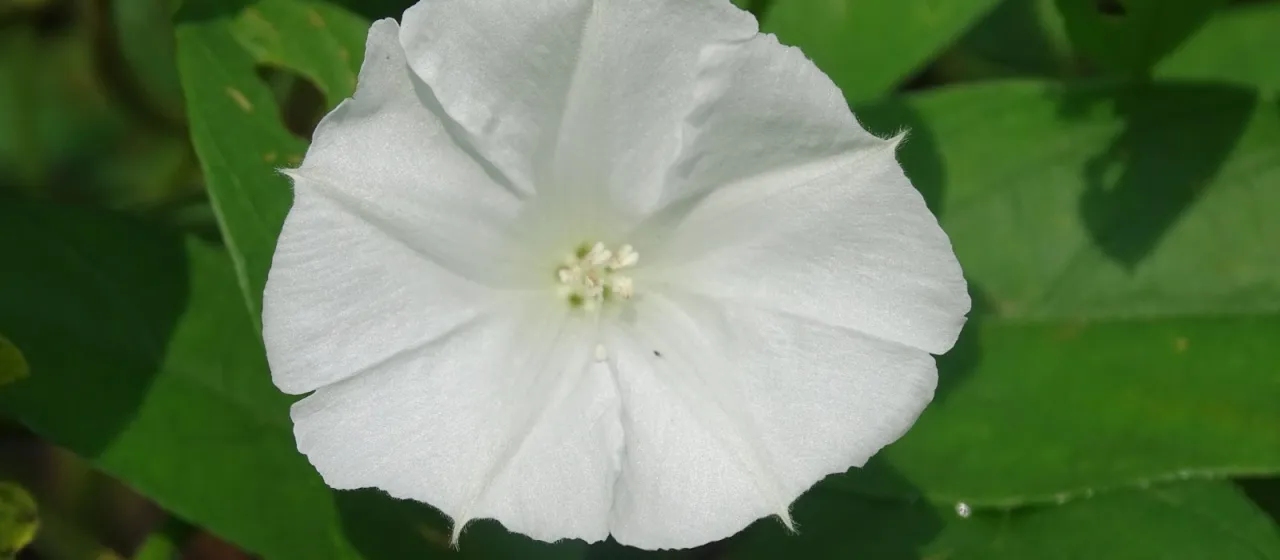
Description
Ipomoea uniflora is a specialized herbaceous plant belonging to the Convolvulaceae family. Widely recognized for its distinct biological traits, this species is a member of the diverse morning glory genus. It typically exhibits a trailing or climbing growth habit, which is characteristic of many plants within this botanical group adapted to tropical environments.
The native range of this species covers tropical areas in Africa and Asia. Due to its evolutionary history in arid and semi-arid conditions, Ipomoea uniflora has developed a high level of resilience to fluctuating environmental stressors, particularly water scarcity. However, in an agricultural setting, the plant requires specific climate management to ensure consistent growth and development.
Botanically, the species is defined by its simple, solitary flowers emerging from leaf axils, distinguishing it from other members of the genus that produce floral clusters. The root system is capable of efficient nutrient uptake in relatively poor soils, provided that the soil structure allows for proper aeration. Leaves are usually alternate, contributing to a dense canopy during the peak of the growing season.
Agricultural requirements for successful cultivation center on warmth and light. The plant thrives at temperatures between 20°C and 30°C and requires full sun exposure to reach its physiological potential. Soil preparation should focus on creating a well-drained medium with a neutral pH, as excess moisture in the root zone is a common limiting factor for healthy plant establishment.
The practical applications of Ipomoea uniflora include:
- Ornamental horticulture in warm-climate zones.
- Experimental cultivation for soil stabilization.
- Botanical research focused on the biodiversity of Convolvulaceae.
- Potential use in traditional applications that require specific plant extracts.
When it comes to pests and diseases, the plant is susceptible to fungal infections like powdery mildew, particularly when airflow is restricted. Common pests include aphids and spider mites, which can cause significant damage if left unmanaged in dry conditions. Integrated pest management, emphasizing early detection and balanced irrigation, is the recommended strategy for maintaining a healthy stand of this crop.