
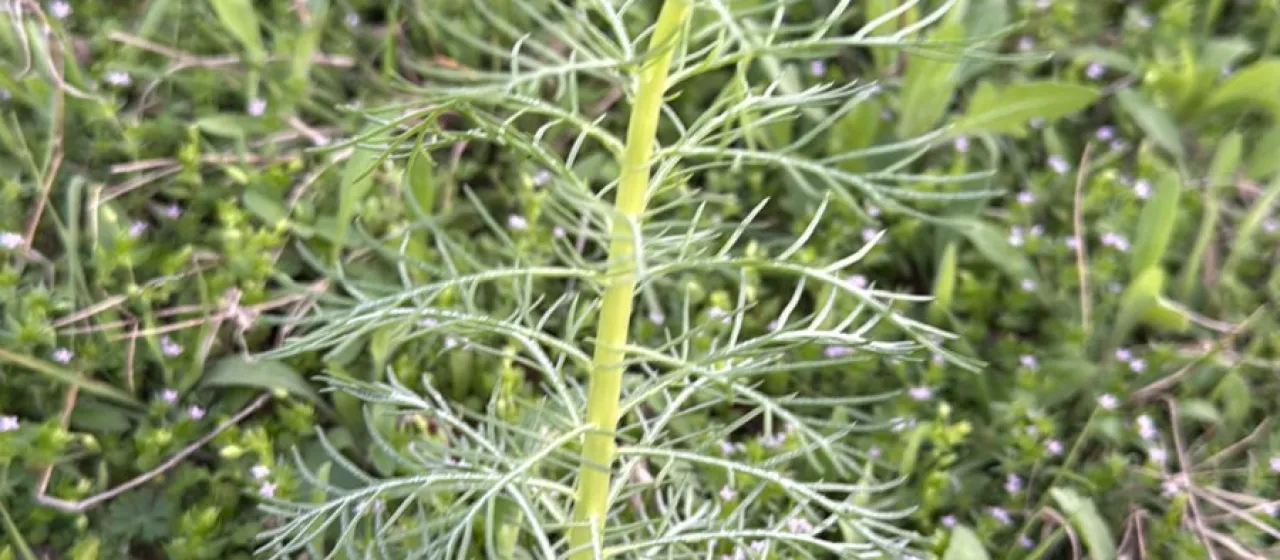
Description
Standing cypress (Ipomopsis rubra) is a biennial or short-lived perennial plant belonging to the Polemoniaceae family. It is widely recognized for its striking, vivid red, tubular flowers arranged in long spikes, which are known to be a primary source of nectar for hummingbirds and various pollinating insects in their native habitats.
The plant originates from the southern and central United States, typically thriving in sandy soils, open fields, and rocky slopes. Due to its natural adaptation to dry climates, it has become a popular choice in xeriscaping and sustainable garden design across many regions with temperate climates, where water conservation is prioritized.
Botanically, Ipomopsis rubra develops as a rosette of feathery, fine-textured foliage in its first year. During the second year, it produces a tall, central flower stalk that can grow up to 5 feet in height. The inflorescence is densely packed with trumpet-shaped blossoms, providing a significant vertical visual interest that persists throughout the summer months.
Cultural requirements emphasize the necessity of well-draining soil and full sun exposure. It is highly intolerant of "wet feet" and heavy, clay-rich soils that retain moisture for too long. If grown in containers or areas with naturally heavy soil, amending the substrate with gravel or coarse sand is essential to prevent root decay, which is the most common cause of failure in this crop.
Management of the crop requires basic integrated pest management practices:
- Monitor for root rot, often caused by overwatering.
- Check for powdery mildew during humid, stagnant conditions.
- Observe for aphids on new growth and flower buds.
- Apply preventative measures against spider mites in dry, hot weather.