
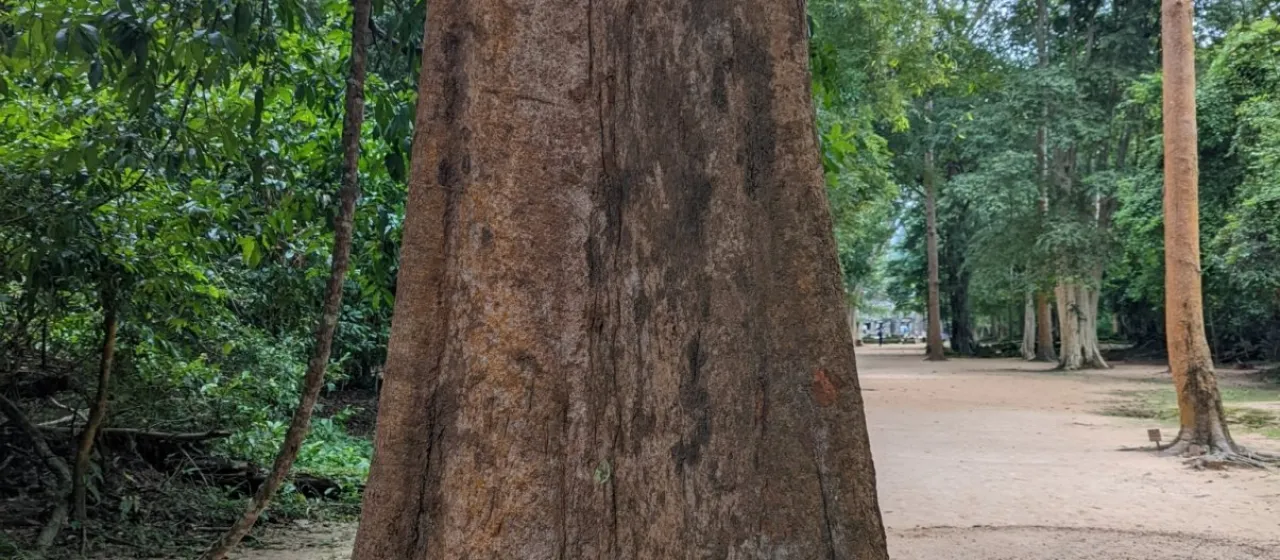
Description
Irvingia malayana is a majestic evergreen tree species belonging to the Irvingiaceae family. Known for its stature and ecological importance, this tree is a characteristic component of the lowland tropical rainforests in Southeast Asia. It is widely recognized for its robust timber and edible fruits, which contribute significantly to the livelihoods of local communities.
The natural distribution of the species covers the tropical regions of Southeast Asia, including Malaysia, Thailand, Indonesia, and parts of Myanmar. The tree thrives in areas characterized by high annual rainfall and consistent, warm temperatures. It is commonly found in riparian habitats and on deep, nutrient-rich soils that maintain moisture throughout the year.
Botanically, Irvingia malayana is a tall, stately tree with a dense canopy of leathery leaves. The flowers are small and inconspicuous, followed by fleshy, drupaceous fruits that contain a large, hard seed. These seeds are particularly prized for their high oil content, making them a valuable source of vegetable fat in various traditional dietary applications.
Cultivation requires a specific tropical environment, as the plant is not frost-tolerant and demands high humidity. In terms of agronomy, the species grows best on deep, well-drained soils rich in organic matter. Young trees require careful management to provide shade and ensure consistent soil moisture until the root system is fully established to withstand minor dry spells.
The economic and agricultural utility of this plant is diverse:
- Timber production: Often referred to as "ironwood" due to its exceptional strength and durability.
- Food security: Seeds provide fats, and fruit pulp is consumed as a seasonal food source.
- Ecosystem services: Serves as a vital component in tropical forest restoration projects.
- Medicinal potential: Used in traditional ethnobotanical remedies for various ailments.
Common health issues in plantations involve fungal pathogens that affect foliage and fruit development, especially during prolonged monsoon seasons. Additionally, the tree is susceptible to boring insects that can compromise the integrity of the wood. Effective management practices include promoting biodiversity, ensuring proper spacing to allow airflow, and regular monitoring for early signs of infection or pest colonization.