
Description
Isachne elatior is a perennial grass species belonging to the family Poaceae. As a member of this diverse family, it exhibits unique physiological traits that allow it to thrive in specific environmental conditions, primarily within tropical and subtropical ecosystems where humidity and precipitation are abundant.
The plant originates from Southeast Asia and surrounding tropical regions. Its natural habitat typically includes wetlands, swampy terrains, and areas with high moisture availability. These ecological preferences make it an interesting subject for studies on hydrophytic or semi-hydrophytic grass species in agricultural research.
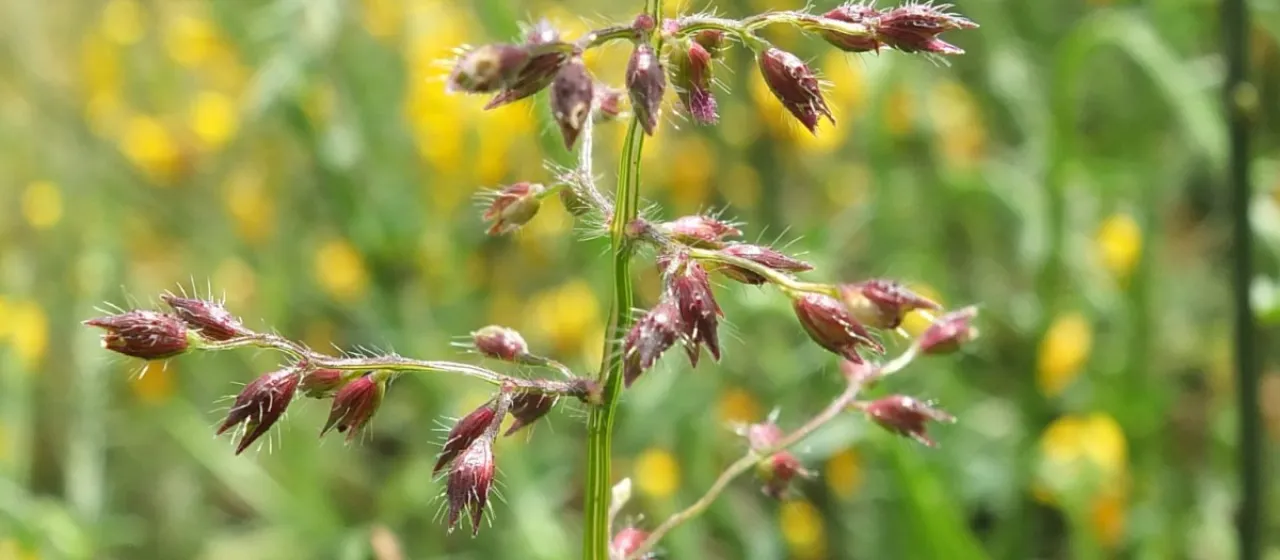
Botanically, Isachne elatior is characterized by its distinct culms, which grow vertically or in an ascending manner. The leaves are typically linear with a parallel venation pattern typical for the Poaceae family. The inflorescence consists of a panicle with small, often globe-shaped spikelets, providing a visual distinction from more common cereal crops.
Regarding cultivation requirements, the species performs best in rich, moist soils with a slightly acidic to neutral pH. Proper agrotechnical management involves maintaining soil hydration and ensuring adequate drainage to prevent stagnation while keeping the moisture level high. It is particularly well-suited for regions where soil water saturation is common.
The primary use of Isachne elatior lies in forage production, where it contributes to local livestock feeding systems. While it is not a major commodity crop globally, it plays a role in regional agriculture. Growers should monitor for common grass pests and fungal diseases, such as leaf blight, to ensure consistent biomass production.