
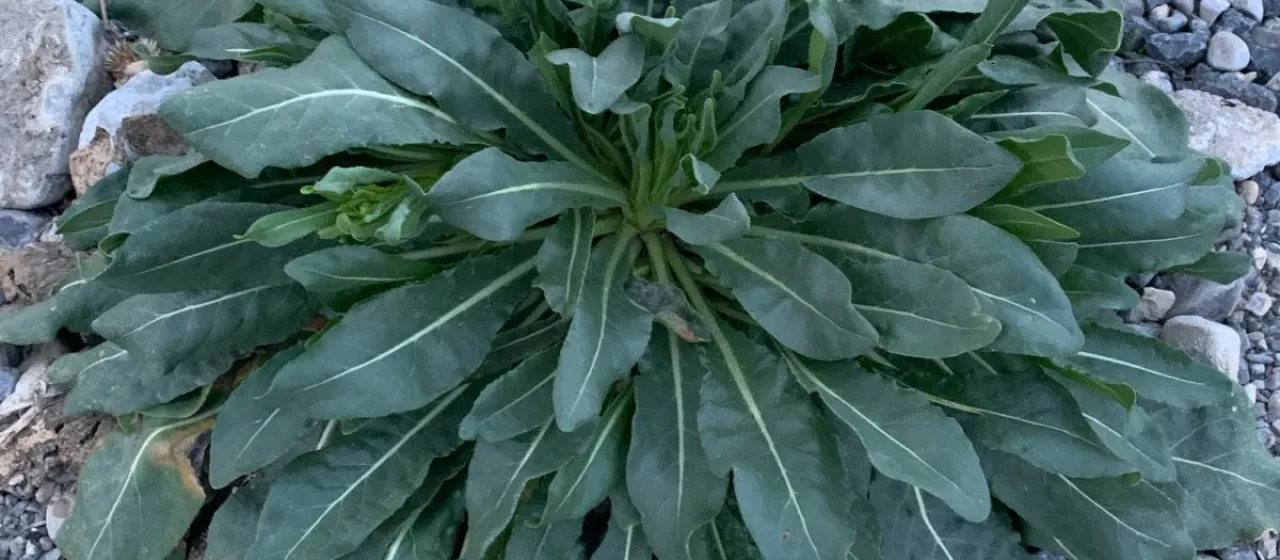
Description
Early woad (Isatis praecox) is a biennial herbaceous plant belonging to the Brassicaceae family. It is recognized in agriculture as a technical crop valued for its chemical properties and potential for sustainable biomass production.
Native to Eastern Europe and the Caucasus regions, this plant has adapted to various temperate climates. It is highly valued for its resilience to harsh environmental conditions, including soil salinity and drought, making it suitable for cultivation in marginal agricultural areas.
Botanically, early woad is characterized by a dense rosette of leaves in its first year, followed by a branching, flowering stem in its second year. The plant produces numerous small yellow flowers arranged in terminal panicles, which significantly contribute to its overall biomass volume during the harvesting stage.
The agronomic requirements for early woad include well-drained, fertile soil, ideally with a neutral to slightly alkaline pH. The crop demands minimal irrigation once established, but early weed management is essential to ensure that the plant reaches its full vegetative potential without competition.
The primary хозяйственные applications of early woad include:
- Extraction of natural indigo pigment for the textile industry.
- Utilization of foliage as a supplementary fodder source for livestock.
- Development of pharmaceutical extracts containing bioactive secondary metabolites.
Pest management for Isatis praecox focuses primarily on crucifer flea beetles, which can cause significant defoliation in young plants. Disease control strategies include managing moisture levels to prevent fungal infections such as powdery mildew, often achieved through proper plant spacing and crop rotation cycles.