
Description
Ischaemum aristatum is a perennial grass species belonging to the Poaceae family. Recognized for its robustness and nutritional value, this plant serves as a vital component of pastures and meadows in tropical and subtropical regions. It is well-regarded in agricultural circles for its ability to form a dense sod, which effectively protects the soil surface and supports livestock nutrition.
The plant is native to the regions of Southeast Asia and various islands within the Indian Ocean. Its natural range reflects an adaptation to warm, humid climates with significant rainfall. Ischaemum aristatum is frequently encountered in open grasslands, moist lowlands, and areas that have been cleared of forests, where it often becomes a dominant species in the herbaceous layer.
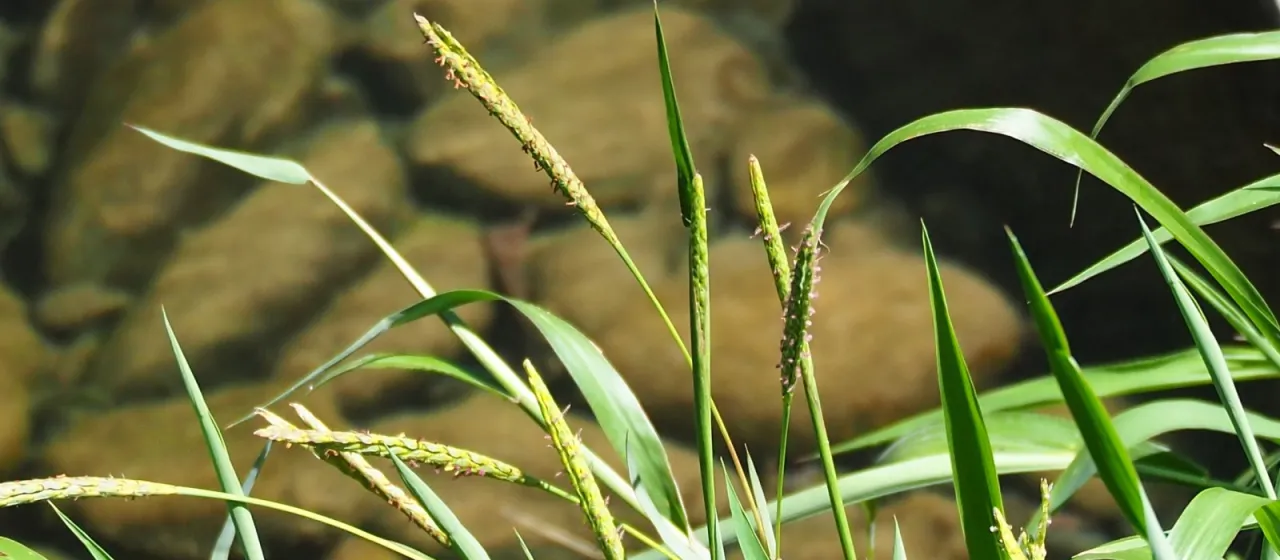
Botanically, Ischaemum aristatum is characterized by a strong, fibrous root system and culms that can be erect or prostrate, frequently rooting at the lower nodes. The leaves are typically lanceolate and possess a certain rigidity, featuring a prominent midrib. Its inflorescence is a raceme-like structure composed of paired spikelets, which is a key identifying trait for members of the Ischaemum genus.
Regarding climate and soil, the grass prefers fertile, well-drained soils but shows significant resilience to periodic waterlogging. It is not tolerant of prolonged dry seasons, which limits its range to humid environments. Effective agronomic practices for this crop involve maintaining the correct grazing intensity and providing periodic fertilization with nitrogen to encourage vigorous leaf production and biomass accumulation.
The primary agricultural applications include:
- Providing high-quality forage for grazing livestock.
- Production of hay, provided the crop is harvested before the stems become overly lignified.
- Use in soil conservation programs to mitigate erosion on tropical hillsides.
- Rehabilitation of degraded rangelands through reseeding and careful management.
The crop is susceptible to certain fungal diseases, particularly leaf rusts and various leaf spots, which typically flourish under conditions of high humidity and poor air circulation. Common pests include grasshoppers and certain lepidopteran larvae that consume the foliage. To maintain productivity, farmers generally employ rotational grazing schedules and ensure that the pasture is not overgrazed, which helps the plant maintain its natural vigor.