
Description
Ischaemum indicum is a perennial herb belonging to the Poaceae (grass) family. In agricultural practice, it is recognized as a valuable forage crop known for its high capacity for vegetative regrowth, which makes it a promising species for grazing systems in tropical and subtropical regions across the globe.
The historical range of this species encompasses Southeast Asia and nearby islands, from where it has spread to other tropical regions. It has successfully naturalized in countries with warm, humid climates, where it is extensively used to re-vegetate degraded lands and create highly productive pastures for livestock, particularly cattle.
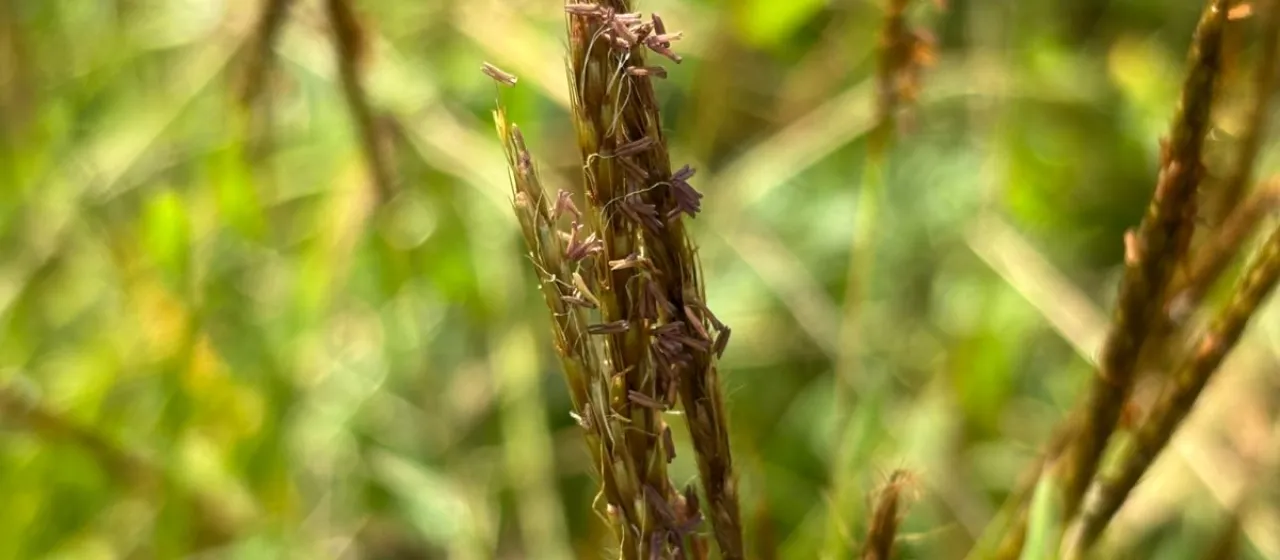
Botanically, the plant is a grass with creeping stems that often root at the nodes, forming a dense turf. The leaves are linear in shape, with a smooth or slightly scabrous surface, while the inflorescence consists of spike-like racemes, typical of the Andropogoneae tribe. This structure allows for effective seed dispersal and rapid vegetative colonization of the area.
For successful cultivation of Ischaemum indicum, well-moistened soils rich in organic matter are required. The crop shows significant tolerance to temporary waterlogging and acidic soils, allowing it to be grown on land unsuitable for more demanding forage grasses. The optimal temperature range for active vegetative growth is between 20 and 30 degrees Celsius.
The agricultural use of this species is focused on establishing grazing fields and producing green fodder. The plant is characterized by the following benefits:
- High nutritional value during the vegetative phase;
- Resilience against intensive livestock grazing;
- Ability to suppress weed growth effectively;
- Rapid recovery after mowing or defoliation.
Common issues during cultivation include fungal diseases, such as cereal rust, especially under conditions of excessive humidity and high stand density. Pests characteristic of tropical grasses include various leaf-eating insects and caterpillars; however, when proper agricultural management practices are maintained, the damage typically remains well within acceptable economic thresholds.