
Description
Small Flinders grass (Iseilema membranaceum) is a prominent annual grass species belonging to the Poaceae family. Recognized for its resilience, it serves as a critical component of natural pastures, particularly in the arid and semi-arid landscapes where other vegetation struggles to survive.
Native to the interior regions of Australia, this grass is perfectly adapted to the harsh environmental conditions of the outback. It thrives in tropical and subtropical climates characterized by unpredictable rainfall patterns, making it a reliable source of feed for livestock in regions prone to frequent droughts.
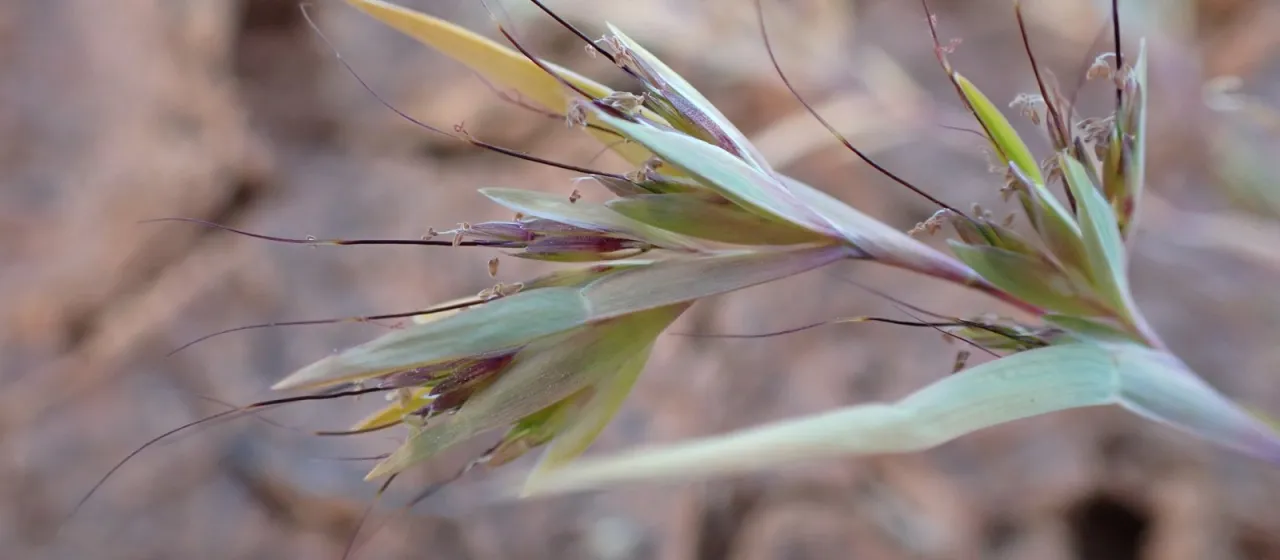
The plant exhibits a characteristic tufted growth habit, reaching a height typically between 30 and 60 centimeters. Its foliage is slender yet nutrient-dense, and the plant is capable of rapid biomass production immediately following rainfall events. The inflorescence consists of branched panicles that are well-suited to its environment.
Regarding soil and climate, Small Flinders grass prefers heavy, cracking clay soils that are capable of retaining moisture during dry spells. While it is highly drought-tolerant, it requires sufficient moisture to germinate and establish. Its management is primarily focused on rotational grazing to ensure that the plant completes its life cycle and sets seed for the next season.
In terms of agricultural use, this species is highly valued for its palatability and nutritional profile. Cattle and sheep grazing on Flinders grass benefit from its high protein content, even when the plant material matures and cures in the paddock. It stands as a cornerstone of sustainable grazing systems in Australian pastoral zones.
- Excellent forage quality for livestock production.
- High tolerance to intense heat and prolonged drought.
- Ideal for heavy clay soil environments.
- Reliable self-seeding capabilities for annual regeneration.