Ismene amancaes
Ismene amancaes
Description
Ismene amancaes is a rare bulbous perennial plant belonging to the Amaryllidaceae family. Known for its striking appearance and specialized growth cycle, it is highly sought after by botanical enthusiasts who appreciate unique exotic species that require specific horticultural attention.
The plant is native to the coastal desert regions of Peru, specifically around Lima. In its natural habitat, Ismene amancaes relies on seasonal moisture provided by fog, which triggers its growth phase. Understanding this natural rhythm is essential for successful cultivation in non-native environments, as the plant demands distinct wet and dry seasons.
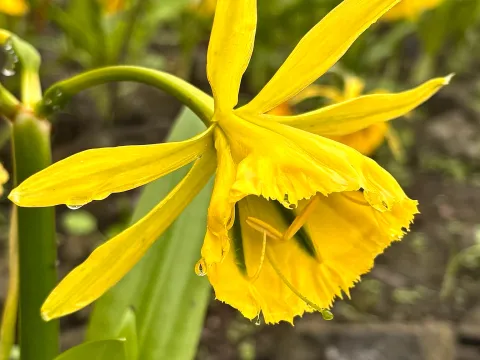
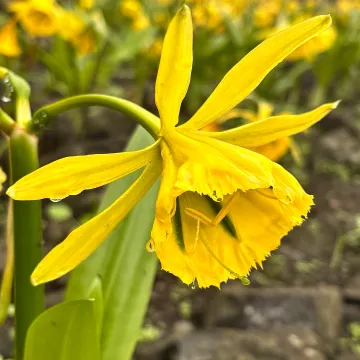
Botanically, it features a robust bulb and strap-like foliage that gives way to an impressive inflorescence. The flowers are typically brilliant yellow, distinguished by a prominent central corona and a complex, intoxicating fragrance. The structure of the flower is specifically adapted to attract nocturnal pollinators, which is a key trait of this fascinating species.
Agricultural requirements focus on providing a well-draining, airy substrate to prevent the bulb from rotting. Since the plant is highly sensitive to excessive moisture during dormancy, the substrate must be kept nearly dry for several months of the year. It thrives in locations with warm temperatures and should be treated as a tender bulb in cooler climates.
- Exposure: Prefers bright, indirect light to direct morning sun.
- Watering: High demand during growth; strict drought during dormancy.
- Soil: A porous, gritty mix that mimics desert slopes.
- Protection: Must be brought indoors or stored in a frost-free area during winter.
Ismene amancaes is primarily utilized as a high-value ornamental plant for specialized gardens, greenhouses, and conservatory displays. Common issues include infestation by spider mites and mealybugs, particularly when cultivated in confined indoor spaces. Careful management of humidity and air circulation is the best preventive measure against fungal pathogens that can lead to basal bulb rot.
Photo gallery