
Description
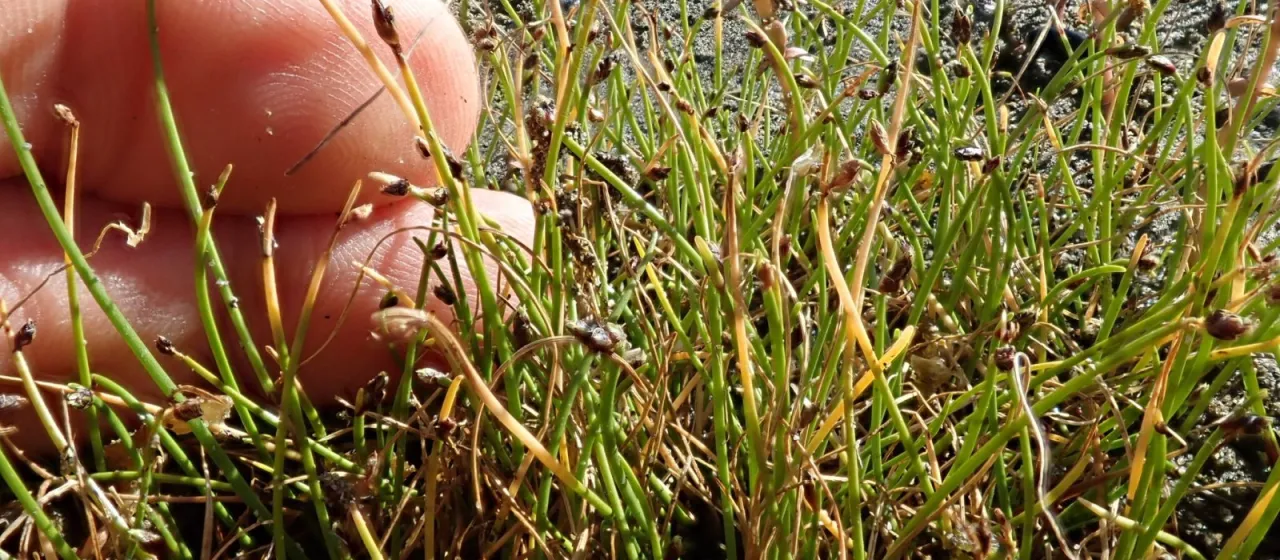
Fiber optic grass (botanically Isolepis cernua) is a charming herbaceous plant belonging to the Cyperaceae family. It is widely recognized for its unique appearance, characterized by fine, hair-like stems that cascade gracefully, resembling fiber optic cables. This aesthetic appeal has made it a favorite among indoor gardeners and designers working with water-feature landscaping.
The plant originates from diverse temperate and subtropical regions across the globe, including parts of Europe, the Americas, and Australia. In its natural habitat, it thrives in wet soils, along the edges of ponds, and in marshy terrains. This geographical range explains its evolved need for high moisture content in the soil to sustain its metabolic functions.
Botanically, Isolepis cernua is a perennial sedge, though it is frequently treated as an annual in cooler climates. It typically grows in dense, mounding clumps reaching heights of 8 to 12 inches. During the growing season, it produces tiny, inconspicuous spikelets at the tips of its foliage, which contain minute seeds. The root structure is fibrous and shallow, necessitating proper potting for container cultivation.
Successful cultivation requires strict adherence to specific horticultural practices. The plant demands a consistently moist, well-draining, and nutrient-rich substrate. Growers often use a mix of peat moss and perlite or sand. It is essential to ensure that the soil never dries out completely, which is why placing pots in shallow trays filled with water is a standard technique for long-term health.
In terms of usage, the plant is primarily employed in decorative horticulture. It acts as an excellent accent plant for terrariums, paludariums, and pond edges. Common pests include aphids and spider mites, which thrive in low-humidity indoor environments. To prevent root rot and fungal infections, it is critical to ensure proper air circulation while keeping the root zone damp but not stagnant during lower-light winter periods.