
Description
Swamp club-rush (Isolepis inundata) is a perennial herbaceous species belonging to the Cyperaceae family. It is a highly specialized plant adapted to moist environments, making it a valuable asset for both natural wetland restoration and managed aquatic landscapes.
The plant is native to Australia, New Zealand, and various parts of Asia. It thrives in diverse wetland ecosystems, including stream margins, marshes, and shallow pools. Its natural distribution reflects its evolutionary preference for habitats that provide a consistent water supply throughout the growing season.
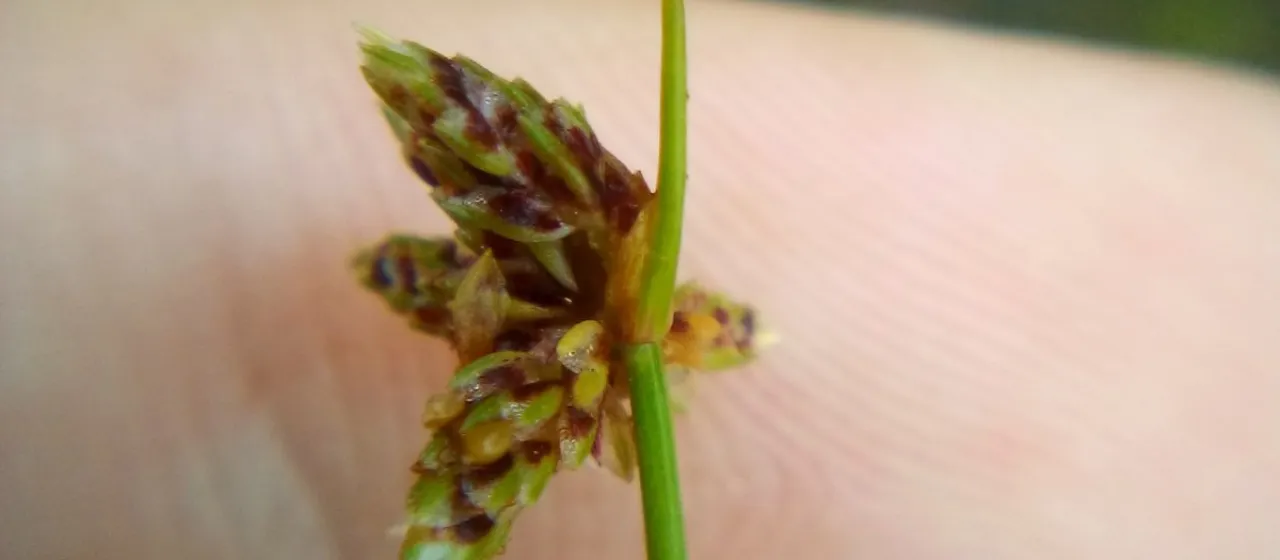
Botanically, Isolepis inundata is characterized by dense, tufted clumps of fine, thread-like bright green stems. It typically grows to a height of 15-30 centimeters. The plant produces small, inconspicuous flower spikelets at the tips of the stems, contributing to its soft, grassy aesthetic which is highly valued in ornamental horticulture.
Cultivation requirements focus on maintaining high moisture levels. It prefers sunny to semi-shaded positions and thrives in silty or sandy-loam soils that remain saturated. In an agricultural or horticultural setup, ensuring the root zone does not dry out is essential for preventing senescence and maintaining the plant's structural integrity.
The primary economic use of this species is in landscape architecture and environmental engineering. It is widely used to beautify pond edges, create natural water filtration zones, and stabilize soil on embankments. By trapping sediments and utilizing nutrients, it helps maintain water quality in man-made water features.
Common health and maintenance issues for this crop include:
- Infestations of aphids during periods of high heat and drought stress.
- Root rot caused by stagnant water conditions without proper microbial balance.
- Overgrowth issues that may require seasonal thinning in smaller water containers.