
Description
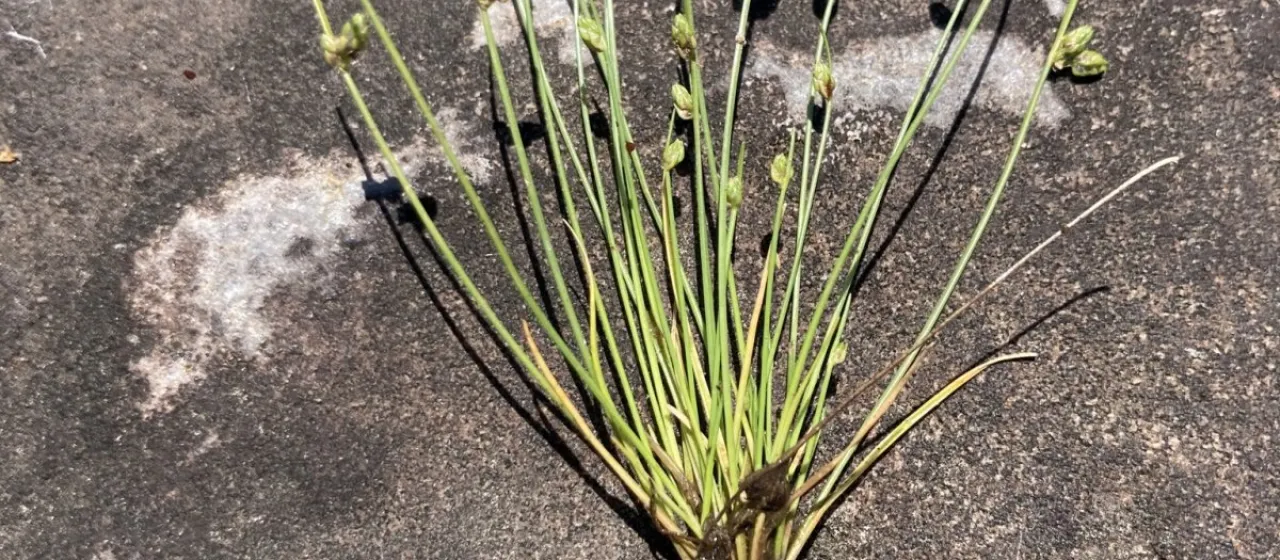
Isolepis pseudosetacea is a perennial herbaceous plant belonging to the Cyperaceae family. Often confused with its relatives due to its grass-like appearance, it forms compact tufts of thin, needle-like stems. This plant is highly valued for its aesthetic appeal, particularly in settings that mimic natural wetland environments or require moisture-loving ground covers.
The species originates from regions in Africa and is naturally adapted to wetland habitats, such as pond margins, marshes, and damp meadows. Because of its native range, the plant is naturally conditioned to handle high moisture levels in the soil. Its adaptation to these conditions makes it a robust choice for specialized garden environments like water gardens or indoor humid displays.
Botanically, the plant is characterized by its slender, wire-like stalks that reach heights of 10–25 cm. Unlike typical grasses, its leaves are minimal, and the primary photosynthetic activity occurs within the stems. The inflorescences consist of small, inconspicuous spikelets located at the stem tips. The root system is shallow but dense, allowing the plant to colonize damp substrates quickly.
Cultivation requires strict adherence to moisture management. Isolepis pseudosetacea thrives in acidic, organic-rich, and constantly moist soils. It is essential to ensure that the medium does not dry out, as the plant lacks drought-tolerance mechanisms. While it enjoys bright light, it should be protected from intense, direct midday sun which can scorch its delicate stems, particularly in container arrangements.
The main areas of utilization include:
- Landscaping of aquatic gardens and edge of ponds.
- Cultivation in greenhouses and paludariums.
- Use as a specimen plant for high-humidity indoor environments.
- Decorative pot culture for patios in humid climates.
Pests and diseases are primarily associated with environmental stress. Under low humidity conditions, spider mites can become a significant problem, while improper soil drainage leads to fungal root rot. Management involves maintaining high ambient humidity and ensuring that the irrigation water quality is consistent. Preventive measures against rot include the use of sterilized, well-draining potting mixes.