
Description
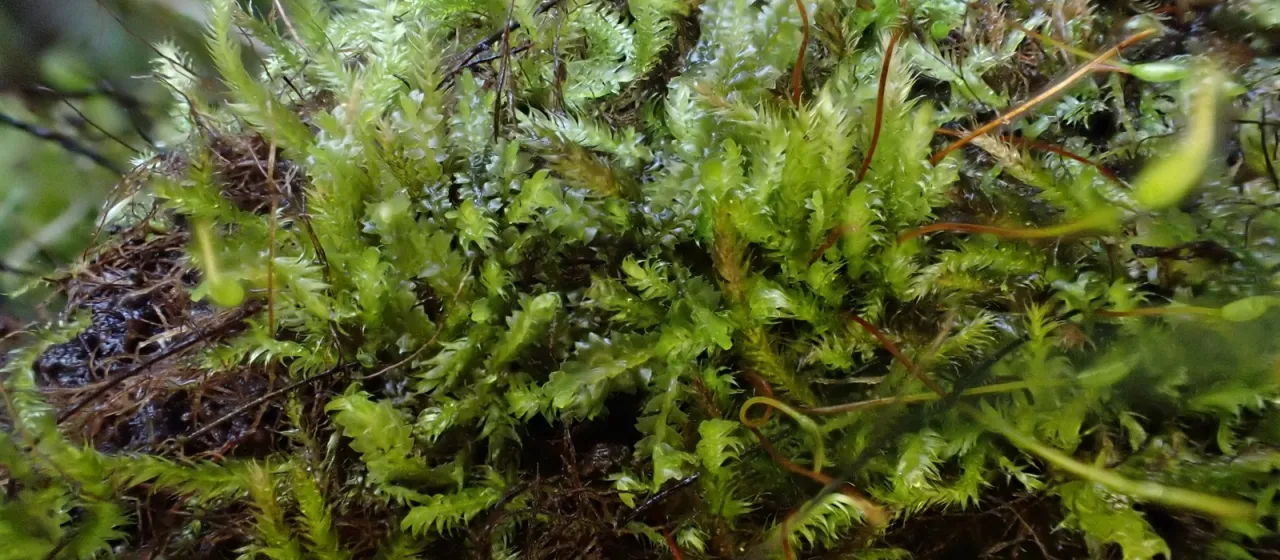
Mueller's Isopterygiopsis (Isopterygiopsis muelleriana) is a species of moss that belongs to the Plagiotheciaceae family. It is a distinct botanical subject recognized for its specialized ecological niche, primarily found in moist, shaded environments throughout the Northern Hemisphere.
Although the term "crop" is used in the context of this study, it is important to clarify that this species has no history of agricultural cultivation. It exists in the wild within forest ecosystems, typically colonizing rock crevices, rotting logs, and nutrient-rich forest floors where moisture remains constant throughout the growing season.
The botanical structure of this moss consists of delicate, flattened stems and tightly arranged leaves. Its morphology is highly adapted to low-light conditions, allowing for maximum photosynthetic efficiency in the dense shade of forest canopies. The microscopic examination of its leaves and reproductive structures remains the standard method for taxonomic identification among bryologists.
Ecologically, the species requires a very specific microclimate to thrive. Key requirements include consistent atmospheric humidity, acidic to neutral soil pH, and protection from direct sunlight. Unlike typical agricultural crops, it cannot be managed through conventional tilling, fertilization, or irrigation methods, as it is highly susceptible to habitat degradation caused by human interference.
The role of Isopterygiopsis muelleriana in its ecosystem is that of a primary producer and moisture regulator. It supports local biodiversity by providing substrates for microfauna. The species does not suffer from traditional agricultural pests or diseases; instead, its population health is primarily threatened by climate change, deforestation, and air pollution, which disturb the delicate balance of the forest microclimate.