
Description
Isopterygiopsis pulchella is a member of the Plagiotheciaceae family. While not classified as a commercial crop, this bryophyte species is a vital component of northern forest biomes, providing essential ecosystem services such as moisture retention and substrate stabilization in sensitive alpine or boreal environments.
The species is native to the Northern Hemisphere, with an extensive range including parts of North America, Europe, and Asia. It is primarily found in sheltered, damp habitats, particularly on limestone crevices, decaying logs, and damp rock faces where microclimate conditions are buffered from extreme fluctuations in temperature and light.
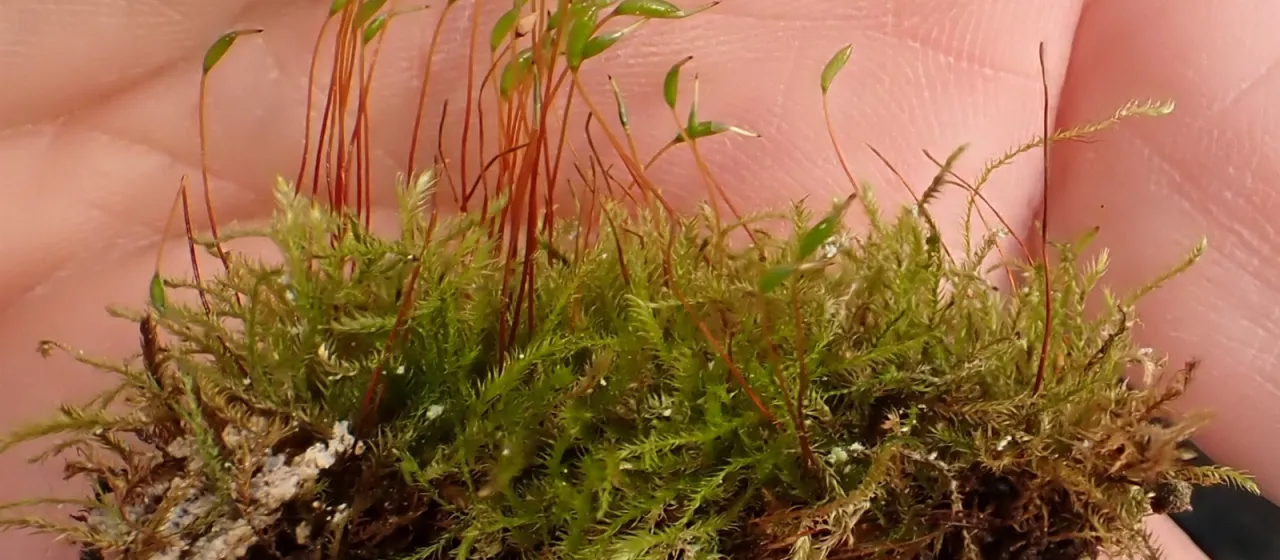
Botanically, it appears as small, lustrous, light-green mats. The stems are slender and irregularly branched, carrying closely appressed leaves that provide a distinct, neat aesthetic. Microscopically, the leaf cells are elongated and thin-walled, a structural adaptation that helps the moss manage water uptake efficiently in humid environments.
Regarding ecological requirements, this species demands high air humidity and a specific light regime. It does not tolerate desiccation or high levels of soil salinity. In conservation and botanical research, it is treated as a specialized plant that requires precise environmental conditions, making it unsuitable for traditional agricultural management or greenhouse cultivation.
While it has no direct agricultural use, it serves as a bioindicator for forest health. The species faces various threats to its population density, including:
- deforestation and loss of canopy cover;
- atmospheric deposition of pollutants;
- disturbances to natural drainage patterns;
- encroachment by invasive species in micro-habitats.