
Description
Hyssop (Hyssopus officinalis L.) is a perennial subshrub belonging to the Lamiaceae family. It is highly valued as an essential oil crop, a culinary herb, and a decorative plant, widely utilized in the pharmaceutical industry, food production, and ornamental gardening.
The plant originates from the Mediterranean and the Middle East. Currently, it is cultivated in various regions worldwide, including Europe, Central Asia, and North America. Hyssop is recognized for its high winter hardiness and its ability to thrive in semi-arid environments, making it a sustainable choice for large-scale production.
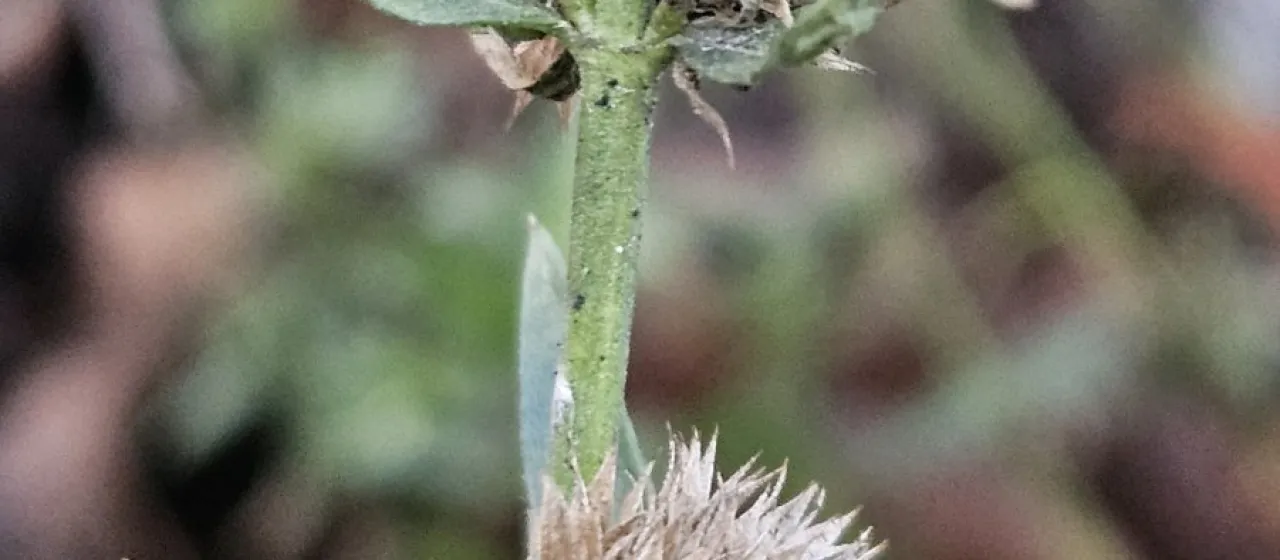
Botanically, hyssop features branched woody stems at the base, reaching heights of 50 to 70 centimeters. Its leaves are lance-shaped and deep green. During the summer, it produces striking spike-like inflorescences consisting of small blue, purple, or white flowers, which are exceptionally attractive to bees and other pollinators.
Hyssop requires specific environmental conditions to reach its potential. It prefers full sun and well-drained, sandy or loamy soils with a neutral pH level. It does not tolerate waterlogged conditions, which can lead to root rot. Standard agricultural practices include regular inter-row cultivation, weeding, and pruning after the flowering season to encourage thicker vegetative growth.
The economic utility of hyssop is significant. Medicinally, it is used for its antiseptic, anti-inflammatory, and expectorant properties. In culinary arts, it serves as a pungent herb for flavoring soups, meats, and salads. Common pests include aphids and spider mites, while fungal issues like rust and leaf spot may occur if air circulation is poor or if the soil moisture is excessive.
- Excellent honey plant with high nectar yield.
- Rich in essential oils and antioxidants.
- Suitable for sustainable low-maintenance gardening.
- Widely used in herbal medicine and supplements.
- High ornamental value for borders and rock gardens.