
Description
The Chinese Itea (Itea chinensis) is an evergreen shrub or small tree belonging to the family Iteaceae. It is characterized by its lush, glossy foliage and elegant appearance, making it a valuable plant species for botanical collections and ornamental gardening in temperate and subtropical climates.
The plant originates from East and Southeast Asia, with a primary distribution range across various provinces in China. Its native habitat includes moist forest edges, stream banks, and mountain slopes, environments that provide high humidity and protection from harsh environmental stressors.
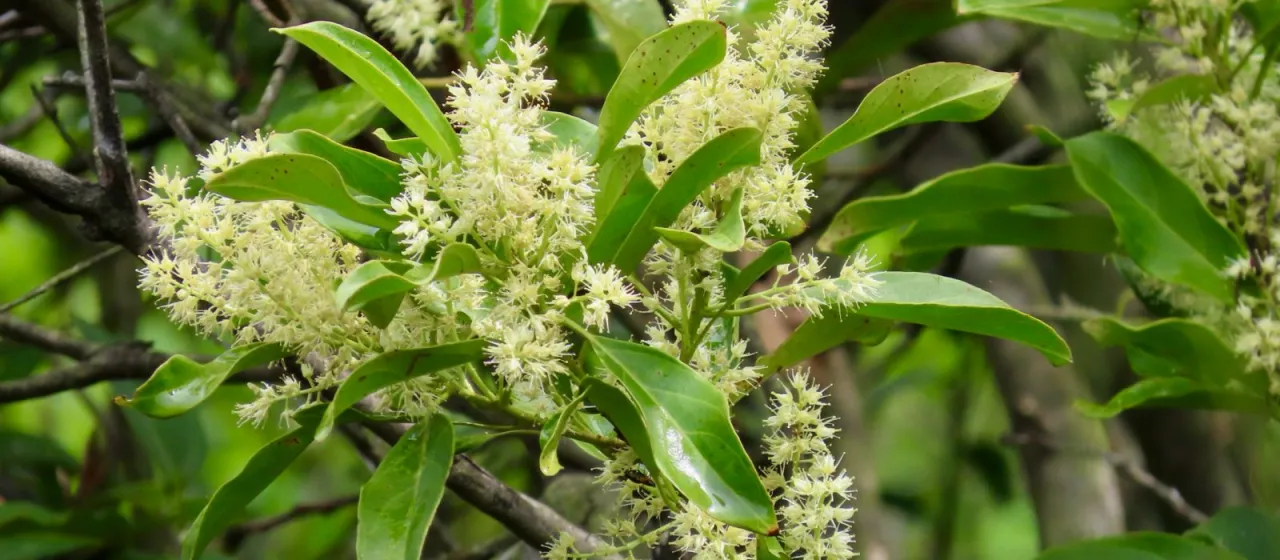
Botanically, the plant features simple, alternate leaves with serrated margins. Its most striking feature is the clusters of small, white to cream-colored flowers that bloom in summer, forming narrow, spike-like racemes. Following the flowering phase, the plant produces small seed capsules, which facilitate natural propagation in its native ecosystem.
Successful cultivation of Itea chinensis requires rich, well-drained, acidic to neutral soils. The plant has specific water requirements; it thrives in consistently moist conditions but is susceptible to root rot if the soil becomes waterlogged. Providing a balanced, humus-rich growing medium is essential for optimal health and vigor.
- Light exposure: partial shade or filtered light.
- Watering: requires regular irrigation, especially during dry spells.
- Soil type: well-drained, nutrient-rich, acidic loam.
- Maintenance: annual pruning to maintain shape and density.
In terms of economic and practical use, Chinese Itea is primarily valued for its ornamental role. It is frequently utilized in landscaping for woodland gardens, as a specimen plant, or for creating informal hedges. Its ability to tolerate shaded environments makes it a versatile choice for areas where many sun-loving flowering shrubs fail.
Regarding health management, the crop can be susceptible to common pests such as aphids or spider mites, which can be mitigated through good cultural practices and timely monitoring. Maintaining adequate air circulation around the plants and avoiding over-fertilization help to prevent fungal outbreaks and ensure long-term sustainability of the planting.