Chinese ixeris
Ixeris chinensis (Thunb.) Nakai subsp. strigosa (H. Lév. & Vaniot) Kitam.
Description
Chinese ixeris (Ixeris chinensis subsp. strigosa) is a herbaceous perennial plant belonging to the Asteraceae family. This crop is valued for its pharmacological potential, containing various bioactive compounds that are increasingly relevant for the nutraceutical and botanical industry sectors.
Native to East Asia, including China, Korea, and parts of the Russian Far East, the plant is naturally adapted to diverse habitats ranging from meadows to sparse forests. Its range of cultivation is defined by its ability to thrive in temperate climates, requiring specific seasonal temperatures to complete its life cycle.
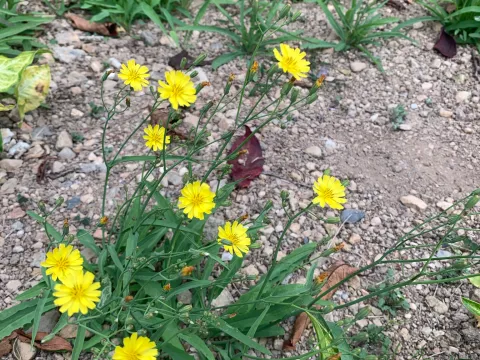
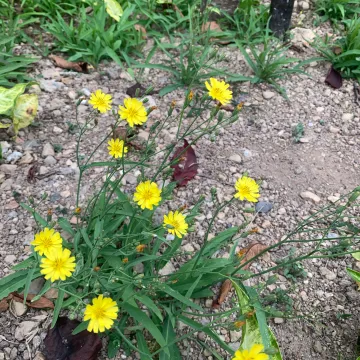
Botanically, it is characterized by a basal rosette of leaves and slender stems bearing yellow capitula. The root system is robust, which assists in soil stabilization and nutrient uptake. The plant undergoes a rapid growth phase during the spring, which is critical for biomass accumulation for harvesting purposes.
Agronomic requirements include well-drained, fertile loamy soils with a pH ranging from neutral to slightly acidic. Irrigation management is essential; while the plant requires consistent moisture during the vegetative stage, waterlogging must be strictly avoided to prevent root rot and other physiological stressors.
The economic value of Chinese ixeris lies primarily in its use as a raw material for herbal medicine. Typical pests include aphids and mites, while fungal pathogens like powdery mildew can affect foliage quality. Effective management involves integrated pest control and the maintenance of optimal planting densities to ensure air circulation.
Photo gallery