
Description
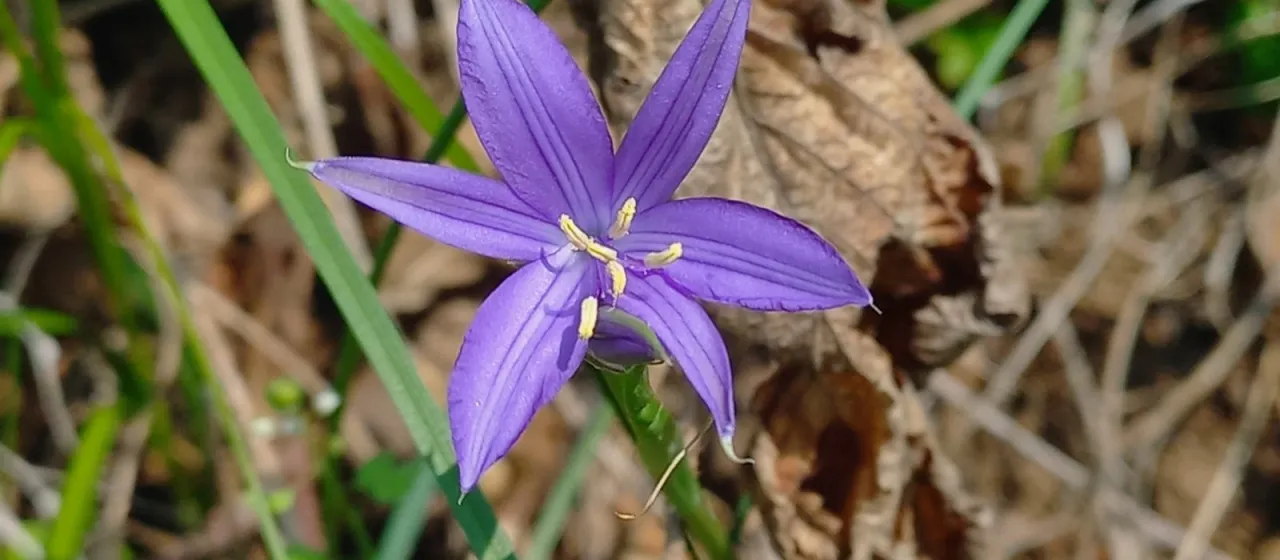
Ixiolirion tataricum is a perennial bulbous herb belonging to the family Ixioliriaceae. Often referred to as the steppe lily, this plant is characterized by its striking, star-shaped blue or violet flowers. It is a highly specialized plant adapted to the challenging environments of the Eurasian steppe, reflecting a unique evolution in arid climates.
The origin of Ixiolirion tataricum traces back to Central and Southwest Asia. Its natural habitat includes semi-arid, rocky, and sandy regions where the plant survives seasonal shifts through a dormant bulb. This survival strategy allows it to complete its flowering phase during the early spring before the intense summer drought begins.
Botanically, the plant features narrow, grass-like basal leaves and a slender stem that supports an inflorescence of several showy flowers. The root system is anchored by a tunicated bulb, which serves as a nutrient storage organ. The plant’s rapid growth cycle is a classic example of ephemeral behavior, maximizing the usage of snow-melt water.
Successful cultivation requires mimicry of its natural environment: soil must be light, sandy, and exhibit excellent drainage. Ixiolirion tataricum is intolerant of waterlogging, which often leads to bulb decay. Planting should be scheduled for the autumn, and the site must receive full sun to partial shade. Supplemental irrigation is only necessary during the spring growing season, while the soil must remain dry throughout the summer dormant period.
The primary use of this crop is in ornamental gardening, particularly for xeriscaping or rock gardens. Regarding pests and diseases, the plant is susceptible to various soil-borne pathogens such as Fusarium or Rhizoctonia if the drainage is insufficient. Keeping the area free of weeds and ensuring adequate soil aeration are critical steps in preventing these issues and ensuring healthy bulb development.