
Description
Ixonanthes icosandra is an evergreen tree species belonging to the family Ixonanthaceae. It is a prominent botanical subject native to the tropical regions of Southeast Asia. Within its habitat, it acts as a key structural component of the rainforest, contributing to the overall stability and biodiversity of the ecosystem, while also serving as a minor but significant resource for local forestry management.
The native range of this species is primarily concentrated in the Malay Peninsula, Indonesia, and the Philippines. These trees thrive in lowland and lower montane rainforests characterized by high annual precipitation and consistent temperatures. The species is highly adapted to these humid environments and is often found in the understory and canopy gaps where it can access sufficient sunlight for development.
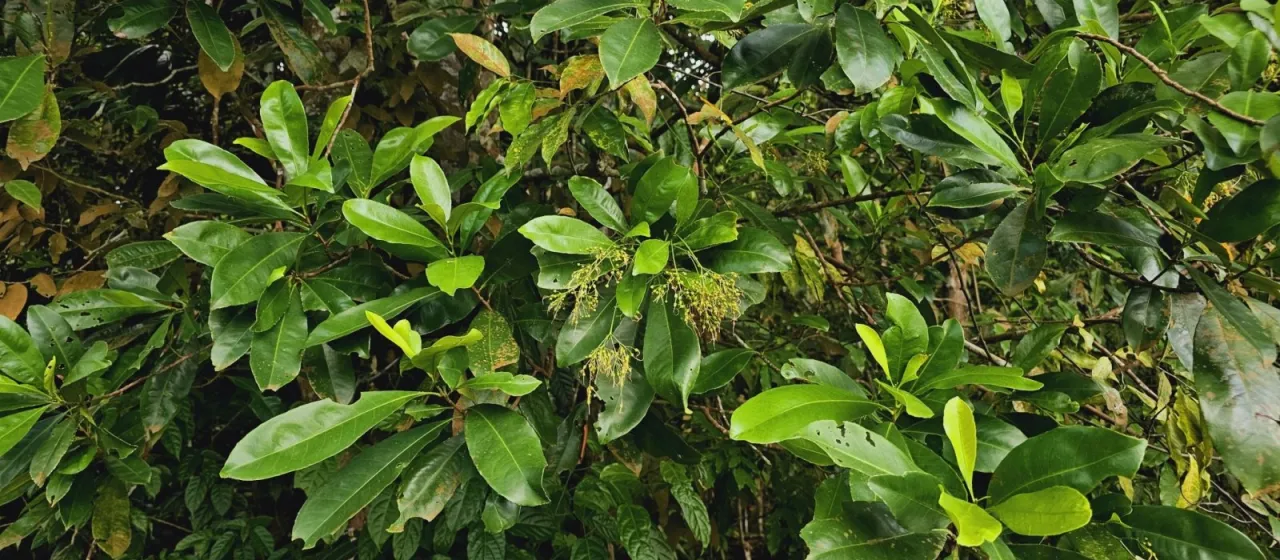
Botanically, the species is defined by its coriaceous (leathery) leaves and a robust branch structure. Its flowering phase results in the production of capsules that contain seeds, which are dispersed primarily by gravity or localized winds within the forest floor. The root system is deep and expansive, facilitating survival in a variety of soil profiles, provided there is adequate drainage to prevent saturation.
Cultivation requirements for this species are centered on replicating its native tropical climate. It demands high, stable temperatures and protection from prolonged drought conditions. When managed in forestry settings, it is essential to ensure that the soil remains nutrient-rich and porous. Young saplings are particularly sensitive to environmental stress, requiring shade management and consistent moisture levels during their early establishment phases.
Economically, Ixonanthes icosandra is valued for its wood, which is utilized for construction purposes and the creation of durable wooden items. Regarding health and maintenance, the trees are generally hardy; however, they can be susceptible to common tropical fungal pathogens if water drainage is inadequate. Managing these risks involves maintaining proper spacing and ensuring that the surrounding environment does not allow for stagnant air or moisture buildup.