
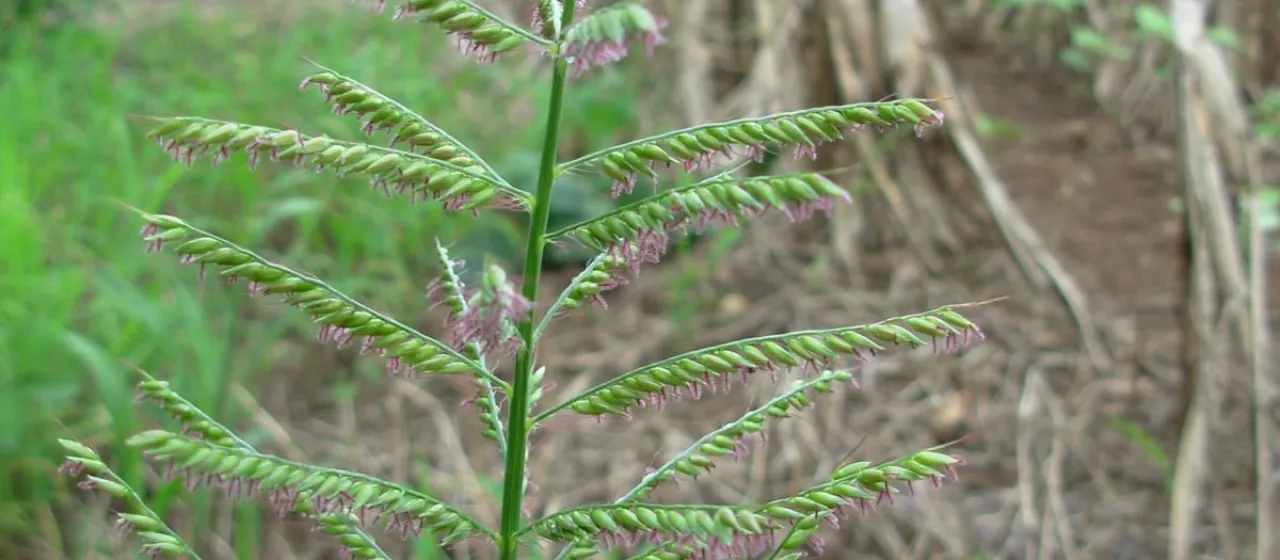
Description
Ixophorus unisetus is a perennial grass species belonging to the Poaceae family. Recognized for its significant biomass production, it serves as a vital forage crop, particularly in tropical and subtropical regions where cattle farming is the primary agricultural activity.
Originating from Mexico and Central America, this plant has adapted well to various tropical environments. Its range of cultivation has expanded to South America and other regions with similar climate profiles. It is particularly valued for its ability to remain productive under conditions of moderate rainfall and warm temperatures throughout the growing season.
Botanically, Ixophorus unisetus is characterized by robust, erect stems and wide leaves. The inflorescence is a panicle where each spikelet is supported by a single bristle. This structural feature is essential for identification and distinguishes it from other similar grass species in the field.
The agronomic requirements for this crop focus on well-drained, fertile soils. While it exhibits some tolerance to different soil types, it performs best in loam soils with adequate moisture. Optimal management involves controlled grazing cycles to ensure the plant can replenish its reserves, as well as periodic fertilization to maintain high crude protein levels in the forage.
The primary use of this species is grazing for livestock, as it provides a stable and highly palatable food source. While generally hardy, farmers should monitor for common issues such as leaf spot diseases caused by fungal pathogens and infestations by stem-boring insects. Proper management of soil moisture levels is critical to preventing root rot and promoting long-term persistence in pastures.