
Description
Jasione heldreichii is a perennial herbaceous plant belonging to the Campanulaceae family. In agronomy and ornamental horticulture, this species is highly valued for its unique flower morphology and its ability to thrive in demanding environmental conditions, making it an excellent candidate for alpine-style gardens.
The plant originates from the mountainous regions of the Balkan Peninsula, primarily Greece. Its natural habitat is characterized by rocky soils and significant solar exposure, which dictates the environmental requirements for successful cultivation in non-native regions. It is best suited for climates that mimic Mediterranean or temperate mountainous conditions.
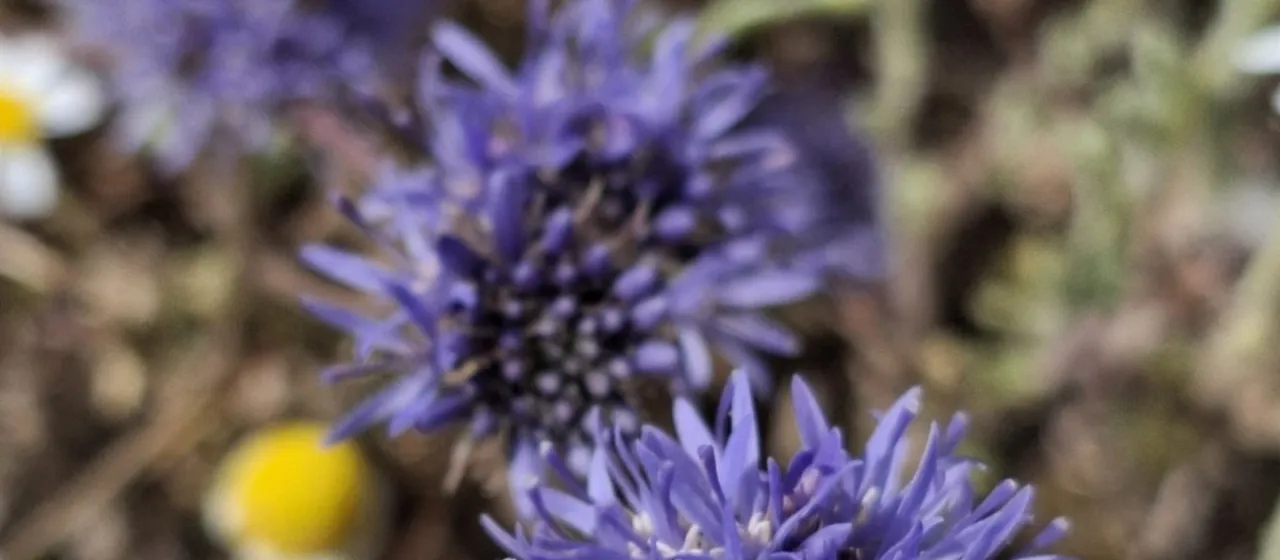
Botanically, Jasione heldreichii is defined by its compact basal leaf rosettes and distinctive, globose heads of sky-blue flowers. The stems are typically pubescent and sturdy, reflecting an evolutionary adaptation to the harsh, windy environments of its native high-altitude ranges.
Agrotechnical requirements focus on the necessity of exceptional soil drainage. The plant is highly sensitive to waterlogged conditions, which can lead to rapid root decay. Therefore, it is recommended to cultivate it in sandy, gravelly, or well-aerated substrates with a neutral or slightly acidic pH balance to ensure long-term vitality.
The primary horticultural application of this crop is in landscape design, specifically within rock gardens and xeriscaping projects. Pests that commonly affect the species include aphids, which can be managed with standard horticultural oils or systemic insecticides. Disease control is best achieved through strict irrigation management to prevent fungal pathogen proliferation in the root zone.