
Description
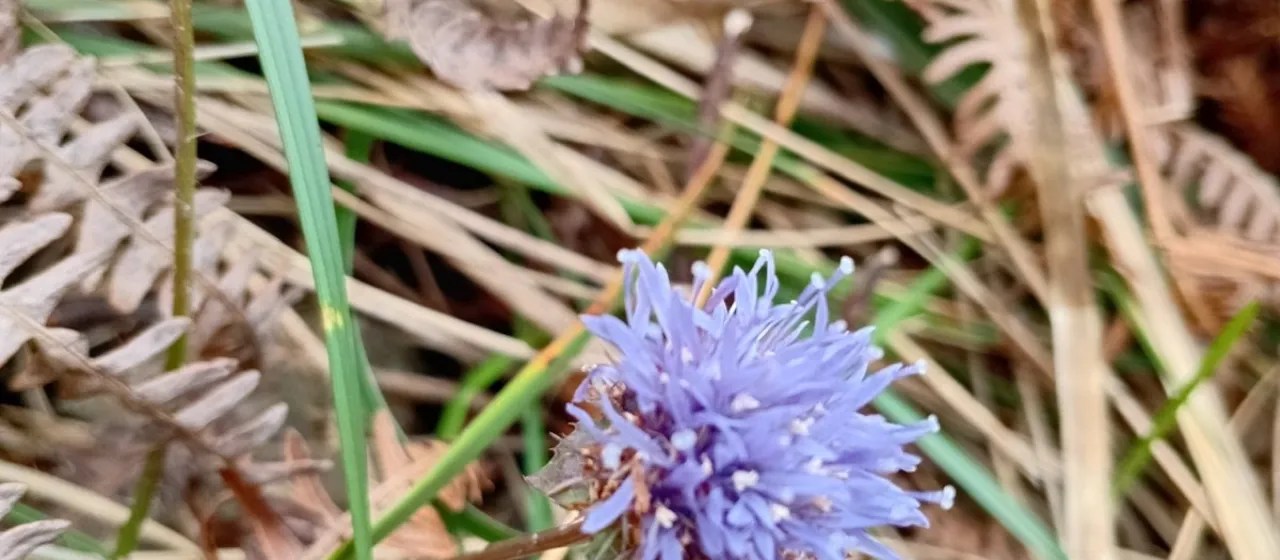
Sheep's-bit (Jasione montana) is a biennial or short-lived perennial herb belonging to the Campanulaceae family. Despite its common name suggesting a relation to scabious, it is actually a true member of the bellflower group. This plant is valued for its ability to thrive in challenging, nutrient-poor conditions where other species struggle.
Native to Europe and parts of Western Asia, this plant is commonly found on heathlands, dry meadows, and sandy soils. Its distribution range highlights its adaptability to different temperate climates. In modern horticulture, it is increasingly used for meadow-style plantings, rock gardens, and green roofs, where drought tolerance is a key requirement.
The botanical structure consists of a basal rosette of leaves and slender, upright flowering stalks. The plant produces dense, globe-shaped flower heads composed of numerous small, blue to violet flowers. The blooming period typically spans from June through August, providing a vital resource for various pollinators during the heat of the summer.
Cultivation requires specific environmental conditions to ensure success. Jasione montana thrives best in full sun with sandy, acidic, and well-draining soil. It is highly intolerant of waterlogged conditions and heavy, compacted soil types. Gardeners should ensure minimal competition from larger, more aggressive vegetation during the plant's establishment phase.
In terms of agricultural and ecological use, Sheep's-bit is an excellent candidate for land restoration projects and wildflower mixtures. It is relatively free from major pests and diseases, provided that the soil moisture levels are managed correctly. Occasional root rot is the most common issue, usually resulting from poor drainage rather than pathogens, making site selection the most important part of the agricultural process.