
Description
Jasminum fluminense is a robust, evergreen climbing shrub belonging to the family Oleaceae. Often recognized for its vigorous growth, this plant acts as an aggressive climber, utilizing tendrils or simply twining stems to ascend structures, reaching impressive heights in favorable tropical environments.
Originating from the tropical regions of Africa and the Arabian Peninsula, this species has naturalized successfully in various tropical climates, including parts of the Americas. Its high adaptability has established it as a prominent botanical feature in various warm-climate ecosystems, though its invasive potential in non-native areas is a subject of environmental concern.
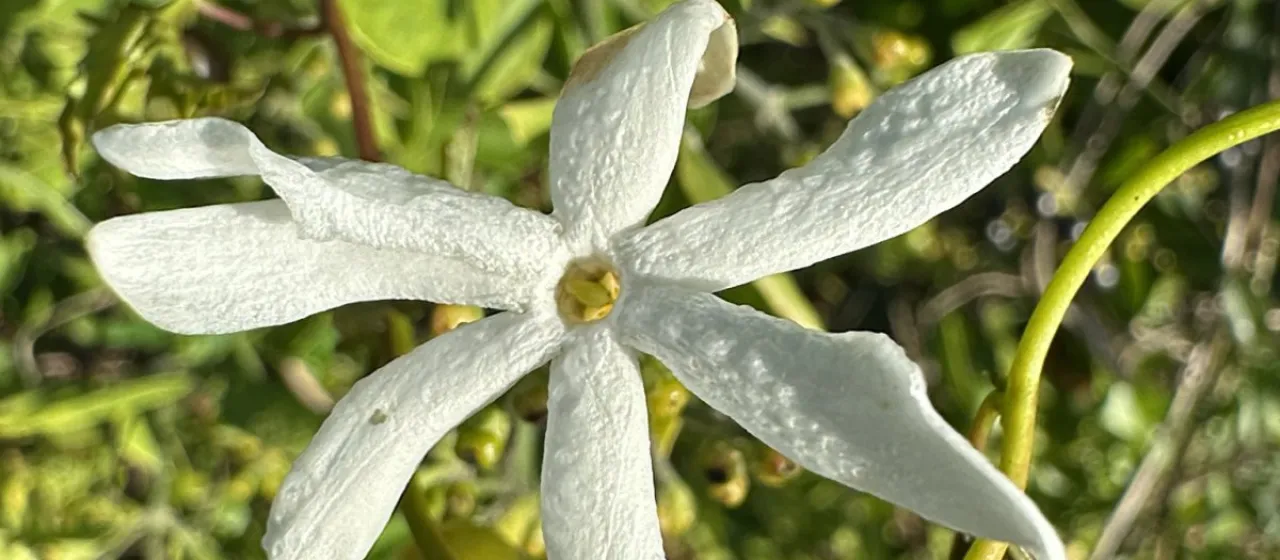
Botanically, it is characterized by compound, opposite leaves and clusters of small, fragrant white flowers. The blooming period is marked by a strong, sweet scent that is characteristic of the genus, drawing pollinators such as moths and bees, which play a crucial role in its natural reproductive cycle.
Agricultural and horticultural requirements for Jasminum fluminense include full to partial sun exposure and well-draining, nutrient-rich soil. It is highly sensitive to frost, which limits its outdoor cultivation to USDA zones 10 and above. Maintenance involves structured pruning to prevent the vine from becoming overly tangled and to encourage flowering, as well as balanced fertilization during the active growing season.
The primary use for this species is ornamental landscaping, where it is valued for its rapid coverage and aromatic properties. Management of the plant requires diligence against common pests like whiteflies and scale insects. Maintaining optimal soil drainage is essential to prevent root diseases, which remain the most significant threat to the plant's health in high-humidity cultivation settings.