
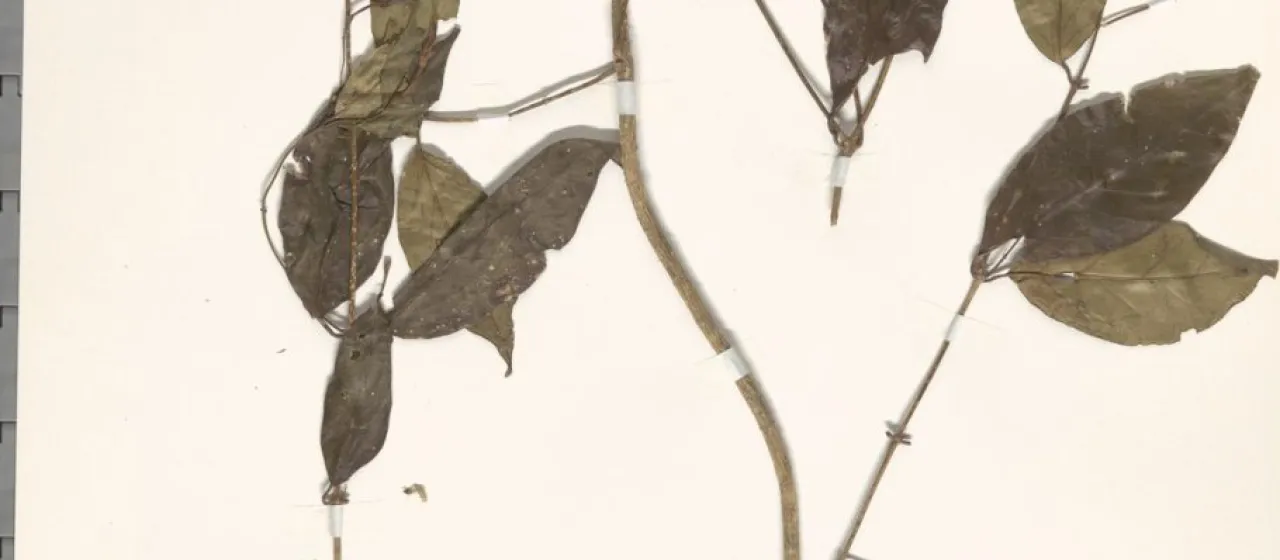
Description
Nepal Jasmine (Jasminum nepalense) is a perennial evergreen plant belonging to the Oleaceae family. This species is recognized as a woody climber or shrub known for its high ornamental value, particularly due to its fragrant flowers and dense foliage that provide an attractive aesthetic throughout the growing season.
The native distribution area of this species encompasses the foothills of the Himalayas, with significant populations found in Nepal and northern India. In its natural habitat, the plant grows in mountainous regions, often adapting to rocky terrains and varying altitudes, which suggests a high level of resilience if specific environmental conditions are met.
Botanically, Jasminum nepalense is defined by its opposite leaves and clusters of tubular, often white or yellowish flowers. It exhibits strong growth characteristics and can reach considerable sizes if allowed to climb, making it an excellent candidate for managed vertical structures and trellis cultivation in gardens.
Agricultural requirements for this crop focus on soil drainage and consistent moisture levels. The plant thrives in well-draining, nutrient-rich soils with a slightly acidic to neutral pH. Proper sunlight exposure is crucial, as too much shade can inhibit flowering and lead to leggy, weak growth. Pruning is necessary to maintain shape and encourage new bloom flushes.
The primary use of Nepal Jasmine is within the nursery and landscape trade for ornamental purposes. To ensure healthy plant development, agronomists advise regular monitoring of the crop. Potential threats and management challenges include:
- Spider mite infestations during periods of low humidity.
- Root rot caused by poor soil drainage and waterlogging.
- Powdery mildew which can occur in stagnant air conditions.
- Aphid colonization on tender new growth in spring.