
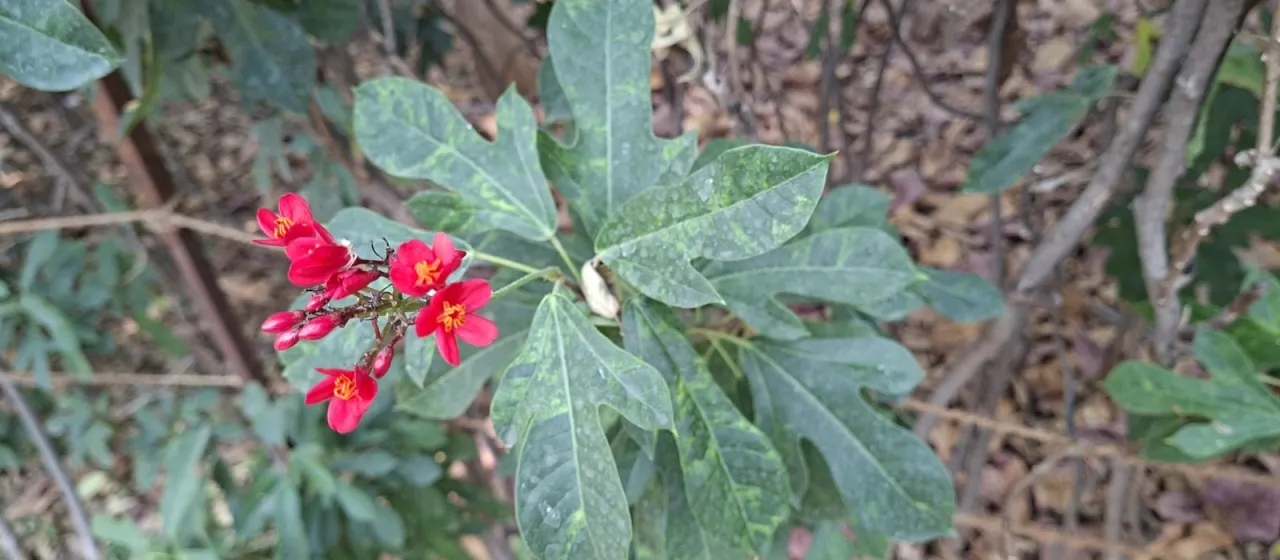
Description
Jatropha acuminata is a perennial woody shrub belonging to the Euphorbiaceae family. This species is gaining attention in agricultural research for its robust nature and its capacity to thrive in marginal lands where traditional food crops often fail to produce viable yields.
The plant originates from the tropical regions of Mexico and parts of Central America. It is naturally distributed in arid and semi-arid environments, demonstrating a remarkable resilience to environmental stressors such as prolonged drought and high solar radiation. These geographical origins dictate its preference for warm, sun-drenched habitats.
Botanically, the plant is characterized by its distinctively acuminate (pointed) leaves and a sturdy root structure that anchors it firmly in well-aerated soils. The inflorescences consist of small flowers that develop into capsules, which eventually house the oil-bearing seeds. Its growth habit is typically bushy, requiring specific spacing to ensure optimal development.
Agronomic requirements are focused on soil drainage and thermal stability. Jatropha acuminata performs best in well-drained, sandy-loam soils and is highly intolerant of waterlogging, which can lead to root rot. Irrigation is generally minimal once the plants are established. Pruning is a critical management practice to maintain canopy structure and promote higher fruit set.
- Requires full sun exposure for maximum yield.
- Sensitive to frost and freezing temperatures.
- Responds well to light organic fertilization in early growth stages.
- Susceptible to certain sap-sucking insects in humid conditions.
The primary economic interest lies in the non-edible oil content of its seeds, which serves as a sustainable feedstock for biodiesel production. Furthermore, the species is being evaluated for its potential in land reclamation and carbon sequestration projects. Growers must remain vigilant against pests like aphids and fungal infections triggered by excessive moisture during the flowering phase.