
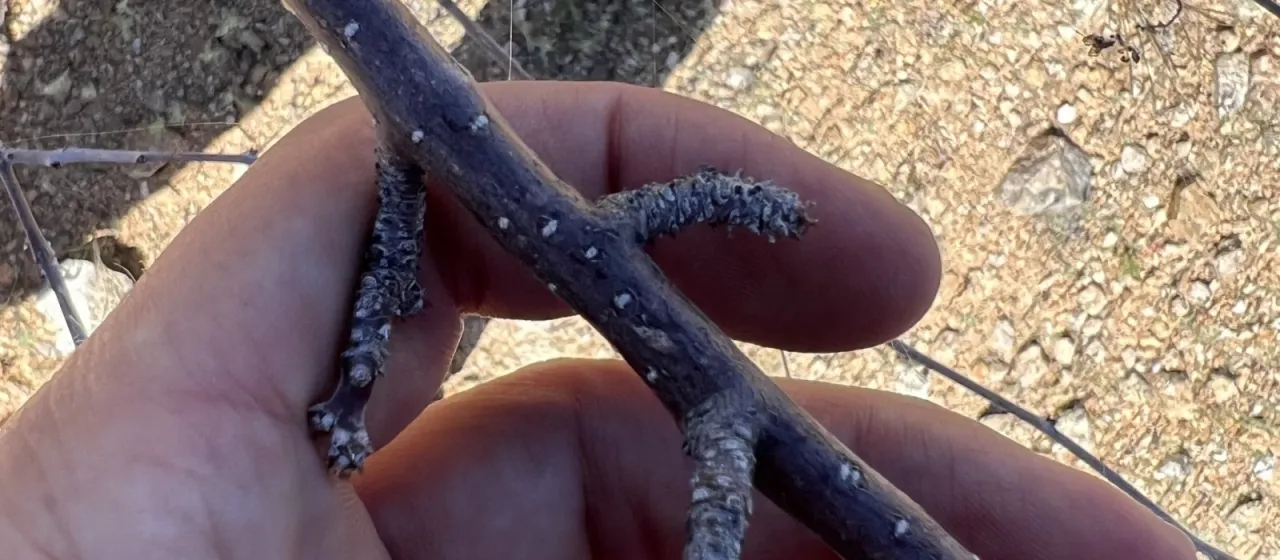
Description
Jatropha cardiophylla is a perennial deciduous shrub belonging to the Euphorbiaceae family. It is a highly specialized xerophyte, perfectly adapted to the harsh environments of arid regions, known for its distinct survival mechanisms that allow it to thrive where many other species would perish.
The plant is native to the desert regions of southern Arizona and northwestern Mexico. In its natural habitat, it is commonly found on rocky slopes and dry washes, characterized by high daytime temperatures and very limited annual precipitation, forcing the plant to store water in its woody, thickened stems.
Botanically, this shrub is identified by its heart-shaped leaves and its capacity to form a semi-succulent, tuberous base. The plant typically loses its foliage during prolonged dry spells to prevent moisture loss, a strategy that is essential for its survival during the hottest months of the year when water availability is nearly zero.
Cultivation of Jatropha cardiophylla requires careful attention to soil composition and water management to replicate its natural environment. Growers should adhere to these key practices:
- Utilize a gritty, well-draining soil mix consisting of pumice, perlite, and coarse sand.
- Provide maximum sun exposure to encourage compact growth and natural development.
- Water sparingly during the growing season and keep the soil almost dry during winter dormancy.
- Maintain warm temperatures, as the plant is not cold-hardy and will suffer damage at freezing points.
Economically, the plant is primarily appreciated in the horticultural industry as a choice specimen for succulent collectors and xeriscaping projects. While other members of the Jatropha genus are explored for their oil-bearing seeds and biofuel potential, Jatropha cardiophylla is valued more for its ornamental and biological uniqueness rather than commercial agricultural production.
Common health issues include root rot caused by poor soil drainage or overwatering, which is the most frequent cause of mortality in cultivation. Pests such as mealybugs and spider mites may occasionally infest the plant, particularly when grown in confined environments with poor airflow. Regular monitoring and maintaining dry conditions around the foliage help mitigate these risks.