
Description
Jatropha cinerea is a perennial shrub belonging to the Euphorbiaceae family. Known for its remarkable resilience, this species has evolved in arid environments, developing specific physiological traits that allow it to thrive where most conventional crops would fail.
Originating from the desert and semi-desert regions of Northwestern Mexico, the plant is well-adapted to extreme heat and prolonged drought. Its geographical distribution spans areas characterized by thin, rocky soils and minimal annual rainfall, highlighting its natural adaptation to severe climatic stressors.
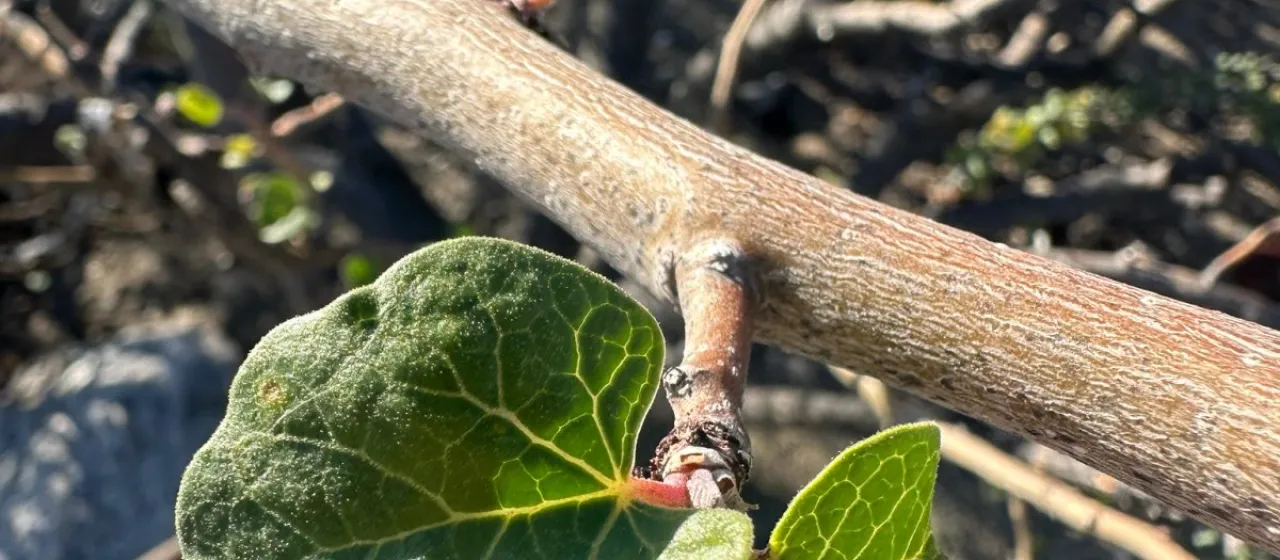
Botanically, it is defined by its greyish bark and deep root system, which scavenges for moisture in the deep subsoil layers. The leaves and flowers are adapted to minimize water loss through transpiration. These biological mechanisms enable the plant to maintain growth cycles under conditions of extreme moisture deficit.
Agronomically, Jatropha cinerea requires well-drained, sandy, or rocky soils. It is highly sensitive to waterlogging, so site selection must prioritize soil permeability. While the crop requires little to no chemical intervention or fertilization, proper establishment during the initial growth stages is essential for long-term productivity.
The primary economic use of this species is in the field of biofuels and technical oil production. The seeds are rich in oils, which are evaluated for their potential as feedstock for biodiesel. Furthermore, the plant is valued in ecological restoration projects for its ability to stabilize degraded soils and combat desertification.
- Excellent drought and heat tolerance.
- Adaptability to poor and nutrient-deficient soils.
- High potential for large-scale land rehabilitation.
- Source of high-quality technical oils.