
Description
Tapertip rush (Juncus acuminatus) is a perennial herbaceous plant belonging to the Juncaceae family. In agricultural and environmental engineering, this species is highly valued for its role in wetland restoration and its ability to thrive in saturated soil conditions where typical crops would fail.
Native to North America, the plant is naturally found in marshes, wet meadows, and along the margins of ponds and rivers. Its distribution has expanded due to its use in ecological engineering, where it is increasingly used to restore damaged wetlands and stabilize saturated agricultural landscapes.
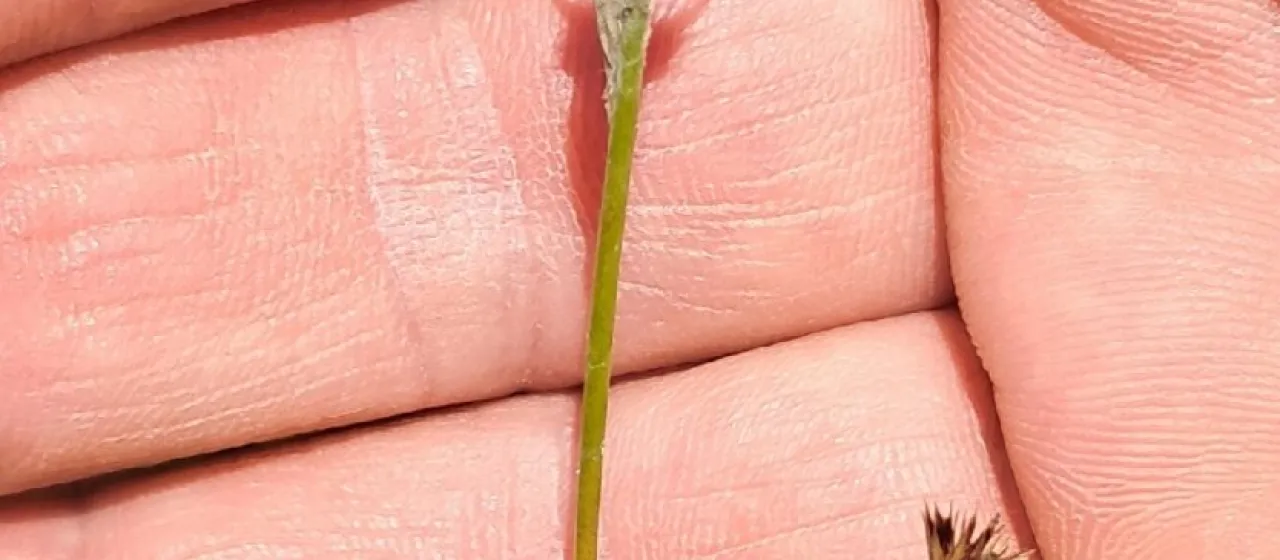
Botanically, it forms tight clumps of stems reaching up to 70 cm in height. The foliage is grass-like with distinctively tapered tips, and the inflorescence consists of clustered, small brown flowers. These structures are adapted for wind pollination and efficient seed dispersal in aquatic environments, which contributes to its status as a vigorous colonizer.
The crop thrives in full sun and requires consistently moist to waterlogged soil to reach its peak development. It prefers acidic to neutral soils high in organic matter. Agrotechnical management involves monitoring water levels during the initial establishment phase and ensuring adequate spacing to prevent competition from more aggressive invasive aquatic weeds.
Key areas of agricultural and environmental application include:
- Utilizing the plant in artificial wetlands for water purification (phytoremediation).
- Strengthening banks of irrigation ditches and pond perimeters to prevent soil loss.
- Enhancing biodiversity by providing habitat for local aquatic fauna.
- Serving as a natural bio-filter in sustainable farm water management systems.
The plant is relatively resistant to common pests, though prolonged stagnation or high humidity can lead to fungal pathogens like rust or leaf spot. Management of these issues involves maintaining good air circulation and removing dead biomass during the dormant season. Generally, it is a robust species that requires minimal intervention once established.