
Description
Alpine rush (Latin: Juncus alpinoarticulatus) is a perennial herbaceous plant belonging to the Juncaceae family. In an agricultural and environmental context, this species is recognized for its vital role in wetland habitats, meadows, and riverbank ecosystems, serving as a biological tool for soil stabilization and landscape restoration.
The distribution range of the Alpine rush spans across the temperate and subarctic regions of the Northern Hemisphere. It thrives in habitats characterized by saturated soils, such as peatlands, fens, and the moist margins of freshwater bodies. The plant is highly resilient, showing remarkable adaptation to harsh environmental conditions, including acidic soils and low-temperature regimes typical of montane regions.
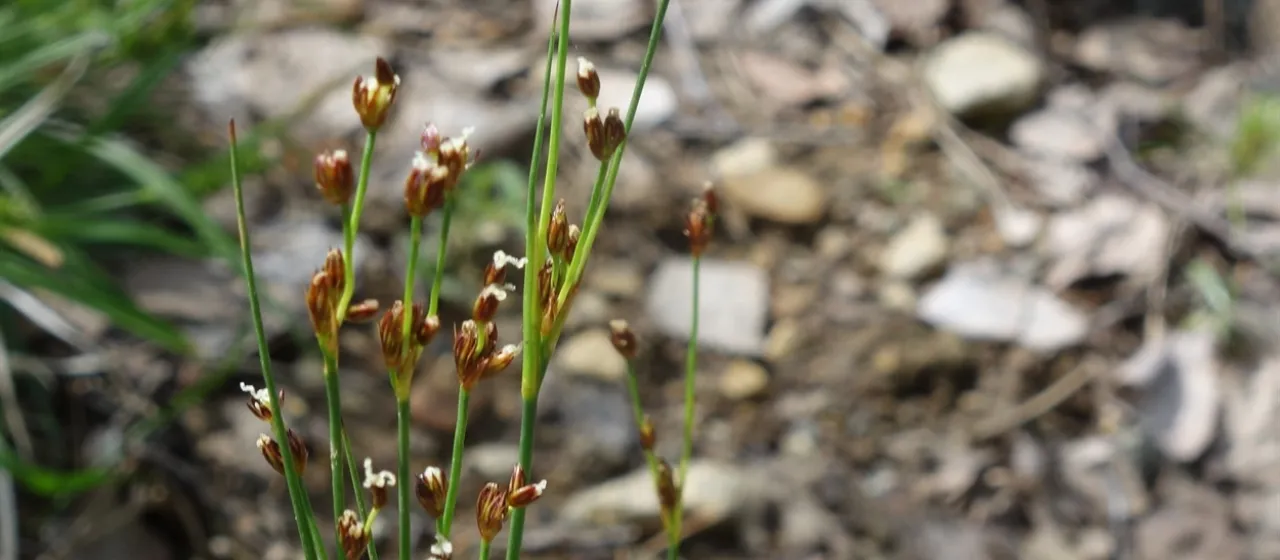
Botanically, the plant develops from a short creeping rhizome, producing stiff, erect stems typically ranging from 10 to 40 cm in height. The foliage is notably cylindrical with internal septa, which provides structure and structural integrity to the plant. Its inflorescence consists of small brown-hued flower clusters, producing abundant seeds that facilitate natural propagation in favorable moist conditions.
Regarding cultivation requirements, the Alpine rush demands high levels of moisture and consistent access to groundwater. It prefers nutrient-rich organic soils or heavy damp clays. While it does not require significant tillage or fertilization, monitoring the hydrology of the site is essential for its successful growth. The plant is essentially a low-maintenance perennial, requiring only appropriate moisture levels to thrive.
The economic and ecological utility of the Alpine rush includes its use in phytoremediation, erosion control, and as a component of ecological buffers around agricultural zones. While its nutritional value for domestic livestock is relatively low compared to forage grasses, it acts as a resilient ground cover in marshy pastures. The species is generally resistant to pests, though it may occasionally be affected by common meadow fungi under conditions of extreme stagnation.