
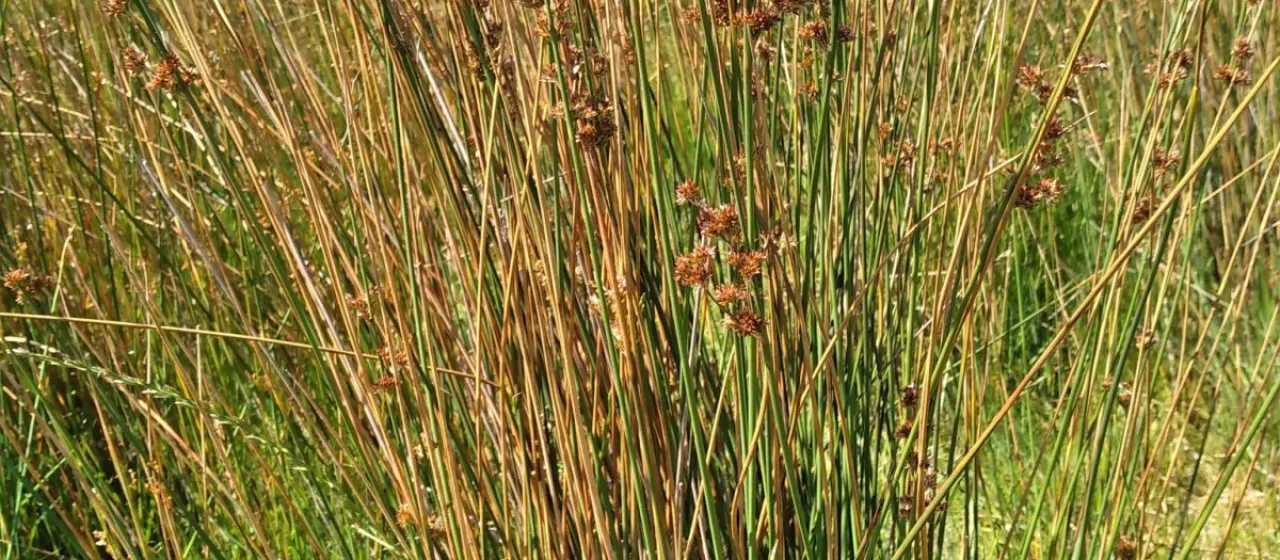
Description
Juncus amabilis is a perennial herbaceous plant belonging to the Juncaceae family. Known for its aesthetic appeal and ecological utility, this species thrives in moisture-rich environments, making it a specialized plant for wetland restoration and ornamental water garden applications.
Originating from East Asia, this species naturally inhabits wetlands, riverbanks, and marshy meadows. Its geographic range is limited to regions where high humidity and water availability remain consistent throughout the year, allowing the plant to establish itself as a dominant ground cover in aquatic landscapes.
Botanically, Juncus amabilis is defined by its rigid, cylindrical, and upright stems. It lacks traditional broad leaves, which have evolved into sheaths surrounding the base of the stems. The underground structure consists of a robust rhizome system, which is vital for the plant's survival in saturated soils and helps in soil stabilization.
Growing requirements are strictly tied to hydro-conditions. The plant prefers sun to partial shade and soil that is consistently moist or submerged. In cultivation, it is essential to provide nutrient-rich, organic soil. Unlike terrestrial crops, this plant requires little maintenance once established, provided the hydrological parameters are met.
The agricultural and environmental use of Juncus amabilis includes:
- Enhancing the visual appeal of artificial ponds and aquatic gardens.
- Preventing soil erosion through strong root system stabilization.
- Phytoremediation, helping to absorb excess nutrients from agricultural runoff.
- Providing natural habitat for beneficial aquatic insects and amphibians.
The plant is relatively resistant, but it can be susceptible to root rot if the water becomes stagnant and oxygen-deprived for long periods. Pest issues are usually minimal, though infestations by certain aquatic larvae may occur in high-density patches. Regular monitoring of water quality is the best preventative measure against disease outbreaks.