
Description
The black-headed rush (Juncus atratus) is a perennial herbaceous plant belonging to the Juncaceae family. This species is highly specialized for habitats with high soil moisture, making it a critical component of wetland vegetation and specific agricultural riparian zones.
Originating in the temperate regions of Eurasia, this plant has a broad distribution range. It typically thrives in meadows, floodplains, and areas where water tables remain consistently high throughout the growing season, contributing to the biodiversity of natural pasture lands.
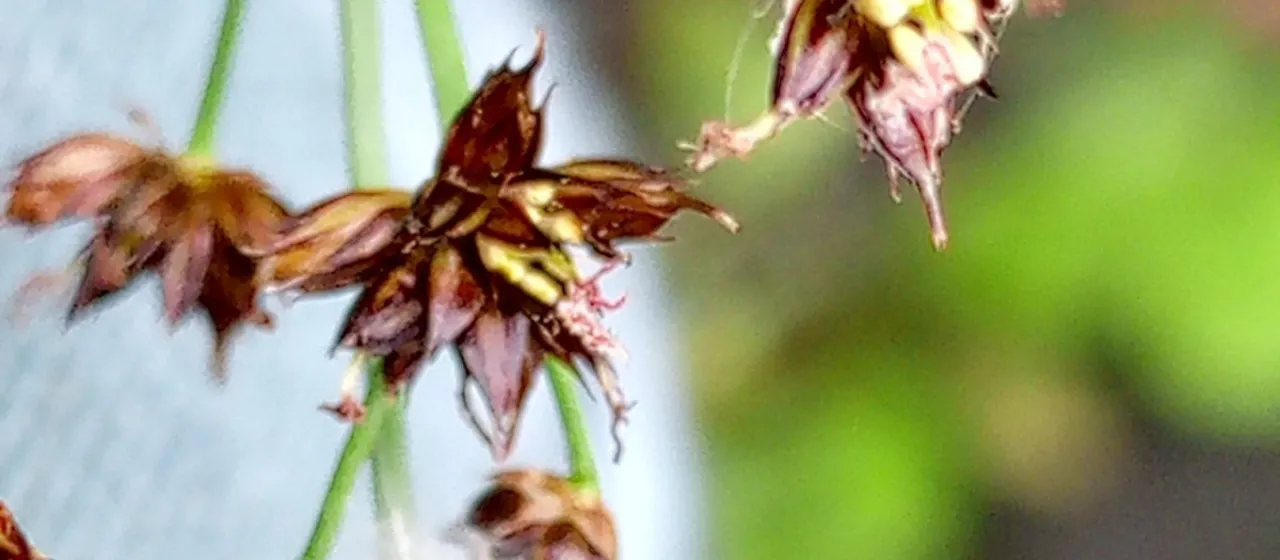
Botanically, it is characterized by its stiff, erect stems that can reach heights of up to 80 centimeters. The defining feature is the compact terminal inflorescence containing dark, clustered flowers. Its perennial nature is supported by a robust creeping rhizome system that anchors the plant firmly in moist substrates.
Regarding cultivation requirements, Juncus atratus demands significant moisture levels and prefers fertile, organic-rich, silty soils. In terms of agronomy, it is often utilized for soil stabilization in drainage ditches or wet agricultural fields, helping to mitigate soil erosion where conventional crops fail due to excessive waterlogging.
Its primary agricultural use remains within natural grassland ecosystems as part of forage mixtures. While not typically harvested as a high-protein monoculture, it provides essential cover and grazing material during the early growth stages. Producers should monitor for fungal pathogens that may appear in stagnant water conditions to maintain the health of the surrounding plant population.