
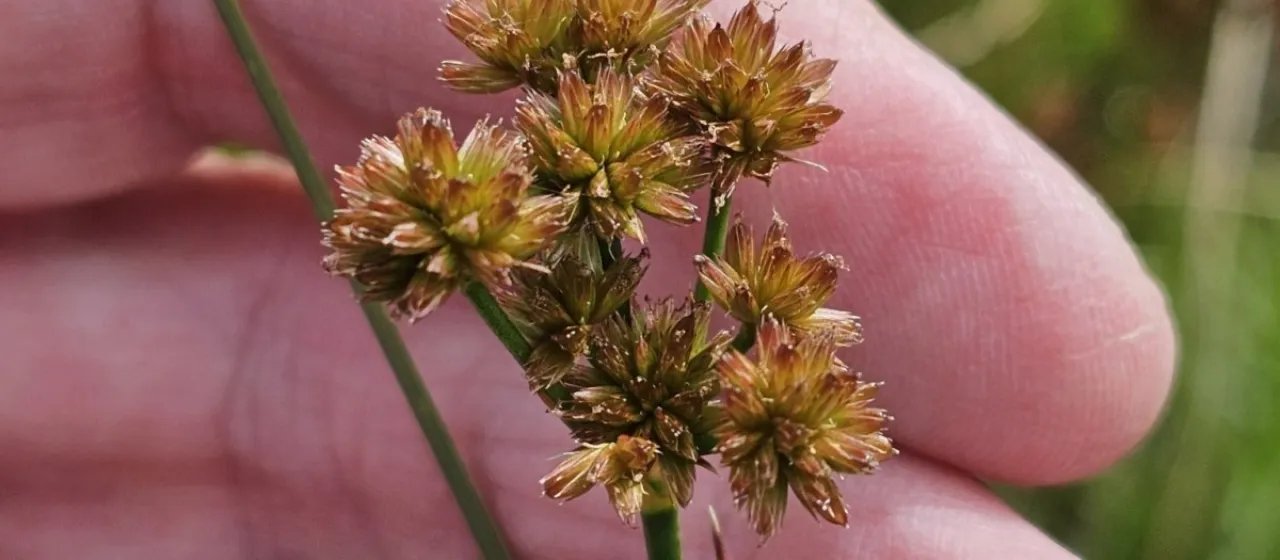
Description
Canada rush (Juncus canadensis) is a perennial herbaceous plant belonging to the Juncaceae family. Unlike traditional agricultural crops, this species is specifically adapted to hydric soils, making it an essential plant for wetland restoration, riparian buffer zones, and specialized landscape management where conventional crops fail due to excessive moisture.
Native to North America, Canada rush is commonly found in marshes, bogs, and along the edges of ponds and streams. Its natural range has made it a subject of interest for environmental restoration projects, as the plant is highly efficient in adapting to fluctuating water levels and unstable soil conditions in temperate zones across the globe.
Botanically, the plant features dense clumps of erect, cylindrical stems that can reach heights of up to 100 cm. A key identification feature is the septate (partitioned) nature of its leaves, which provides structural integrity. The inflorescences consist of small, greenish-brown clusters arranged in a loose, open panicle, appearing during the summer months.
Cultural requirements for Canada rush center on moisture management. It thrives in soils that remain constantly saturated or submerged in shallow water. While it prefers full sun for optimal vigor, it can adapt to partial shade. The agricultural management involves monitoring invasive tendencies in controlled environments, as the rhizomatous root system allows it to spread rapidly under ideal conditions.
The primary directions for economic and environmental use include:
- Phytoremediation of drainage water and nutrient filtering.
- Erosion control on stream banks and pond perimeters.
- Incorporation into sustainable rain gardens and constructed wetlands.
- Usage as a structural element in ecological landscape design.
Regarding health management, Canada rush is remarkably resilient but can be susceptible to fungal pathogens if grown in stagnant, unventilated conditions. Pest pressure is generally low, although aphids may colonize the plants during periods of environmental stress. Maintaining proper water flow and preventing overcrowding are the best preventative measures to ensure a healthy crop.