
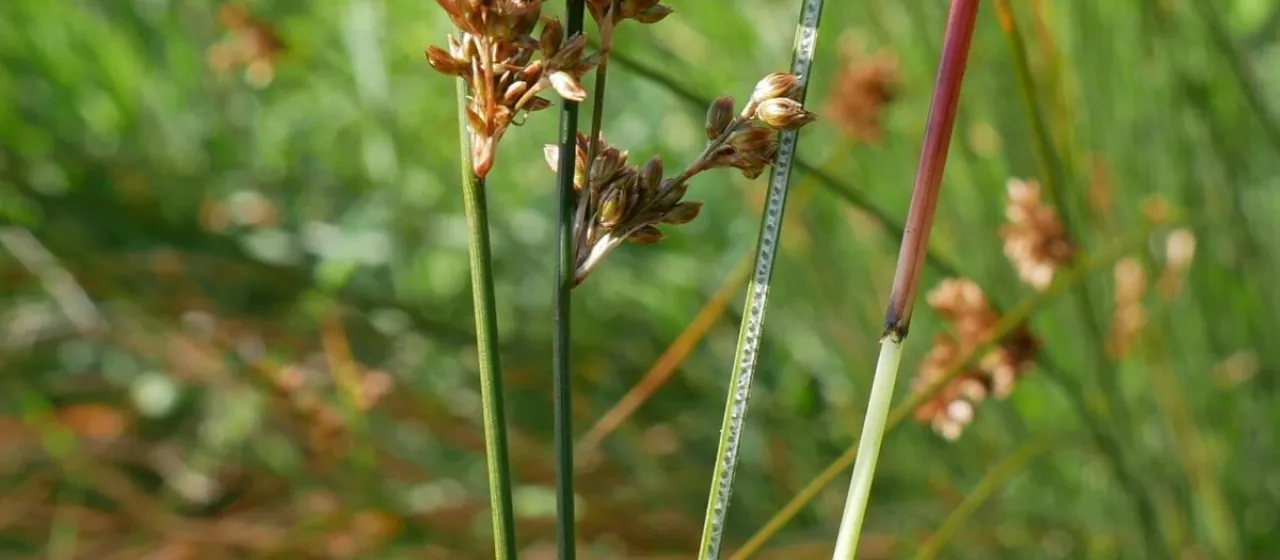
Description
Juncus distegus is a perennial herbaceous plant belonging to the Juncaceae family. Known as a species of rush, it is predominantly utilized in niche agricultural sectors, particularly in ecological restoration, land reclamation, and landscape engineering due to its unique environmental adaptability.
Originating from Australia, this species is naturally adapted to moist and wetland environments. Its natural habitat includes riverbanks, swampy areas, and poorly drained soils where it has evolved to thrive under conditions of high moisture, demonstrating remarkable resilience against fluctuating water levels.
Botanically, Juncus distegus is characterized by dense, tufted growth habits and rigid, slender stems. The plant develops a robust, extensive root system, which serves as its primary mechanism for stabilizing soil and preventing erosion. Its structural architecture makes it an excellent choice for stabilizing banks and creating dense vegetation covers.
Agricultural practices for this species focus on providing an optimal hydro-regime. While the plant is hardy, it requires specific conditions for successful establishment and sustained growth:
- Consistent soil moisture or shallow water immersion.
- Full sun exposure for optimal vegetative development.
- Avoidance of extreme drought, which can trigger physiological stress.
The primary economic use of Juncus distegus lies in environmental management. It is frequently employed in constructed wetlands for wastewater treatment, where it acts as a bio-filter, and in bio-engineering projects intended to reduce soil loss along waterways. Its capacity to sequester nutrients and stabilize riparian zones makes it highly valuable in modern sustainable agriculture.
In terms of plant health, Juncus distegus is generally resistant to most common pests. Pathological issues are primarily associated with the quality of the water source; stagnant water with heavy pollutant loads can occasionally encourage root rot or fungal infections in the stems. Maintaining proper water circulation and managing plant density are the most effective strategies for long-term health and productivity.