
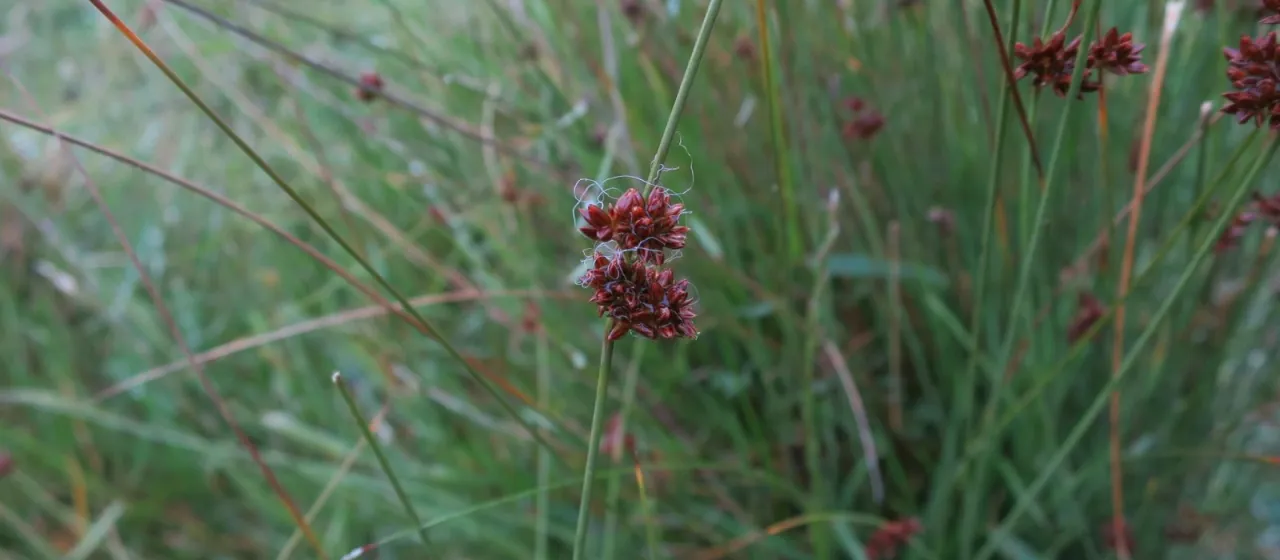
Description
Thread rush (lat. Juncus filicaulis) is a perennial herbaceous plant belonging to the Juncaceae family. In agricultural terms, it is categorized as a moisture-loving hydrophyte, perfectly adapted to waterlogged soils where standard crops fail to thrive.
The native range of the species covers the temperate regions of the Northern Hemisphere, spanning across Europe, Asia, and North America. It is typically found in wetlands, riverbanks, and marshy meadows. In recent years, it has gained popularity for its role in phytoremediation projects and ornamental landscape design.
Botanically, Juncus filicaulis features dense tufts of thin, thread-like stems that are dark green in color. It possesses a vigorous, creeping root system that is highly effective at stabilizing soil and preventing erosion in riparian zones. The plant produces small seed capsules, facilitating efficient natural propagation in favorable conditions.
Climate and soil requirements for this species are specific: it demands high moisture levels and full to partial sunlight. The ideal soil is organic-rich, loamy, or peaty, with a pH range that is neutral to slightly acidic. Effective cultivation involves maintaining consistent water saturation of the substrate throughout the growing season.
The primary economic and environmental applications of thread rush include its use in wastewater treatment systems and as a soil stabilizer on lake margins. Beyond its functional role, it serves as an excellent aesthetic element in landscape architecture. Due to its innate hardiness, the plant is rarely affected by serious diseases or pests, making it a low-maintenance choice for sustainable land management.