
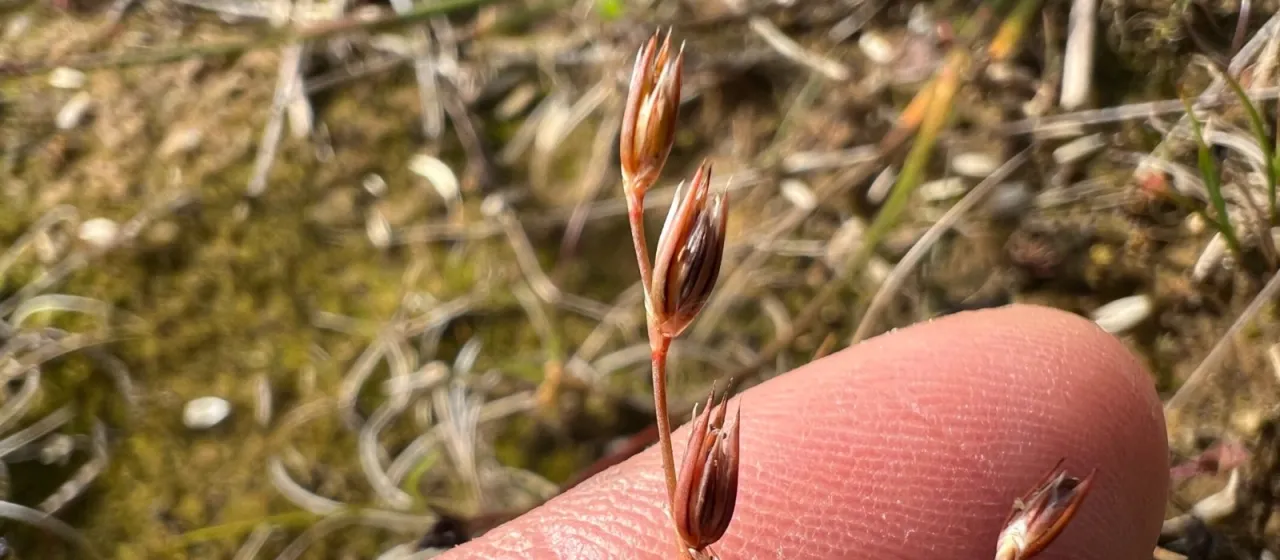
Description
Leafy rush (Juncus foliosus) is a perennial herbaceous plant belonging to the Juncaceae family. Known for its specific adaptation to moist environments, this species serves as a critical component in both ecological restoration projects and specialized ornamental horticulture, where high soil moisture is prevalent.
The plant originates from North America, where it thrives in natural wetlands, marshes, and along the edges of water bodies. Its evolutionary development has favored characteristics that allow it to withstand varying levels of water saturation, making it a robust survivor in regions that may be too wet for traditional agricultural crops.
Botanically, Juncus foliosus features erect, slender stems and narrow leaves forming dense clumps. Its root system is extensive and fibrous, providing excellent soil anchorage. The reproductive cycle involves the production of small, clustered inflorescences that emerge during the warmer months, contributing to the plant's distinctive architectural appearance.
Cultivation requirements for leafy rush are centered on water management. It requires full to partial sunlight and consistently wet or saturated soil conditions. In agricultural settings, producers should maintain high moisture levels throughout the growing season. The plant exhibits minimal susceptibility to typical pests found in dry-land farming, although proper spacing is essential to ensure adequate airflow and prevent moisture-related fungal growth.
Economically, this species is highly valued for its role in phytoremediation—the use of plants to clean up contaminated water. Its roots can absorb heavy metals and excess nutrients, improving water quality in artificial wetlands or agricultural runoff zones. Additionally, it is a popular choice for sustainable landscaping, providing a naturalistic look while preventing erosion in riparian areas.
- Exceptional tolerance to high soil moisture content.
- Highly effective in bio-filtration and water purification.
- Low demand for chemical fertilizers and pesticides.
- Provides significant erosion control in wetland zones.