
Description
Juncus gregiflorus, commonly known as a type of rush, is a robust perennial herb belonging to the Juncaceae family. It is widely recognized for its specialized ecological niche, thriving in saturated soil conditions where typical agricultural crops would fail to establish. This plant is highly valued for both its structural resilience and its ability to act as a natural soil stabilizer.
Originally native to regions like New Zealand and parts of Australia, the plant has a significant range across various temperate and subtropical wetlands. Its natural habitats consist of marshes, damp meadows, and riparian zones. In an agricultural context, it is often utilized to manage waterlogged areas and enhance the biodiversity of wetland agricultural projects.
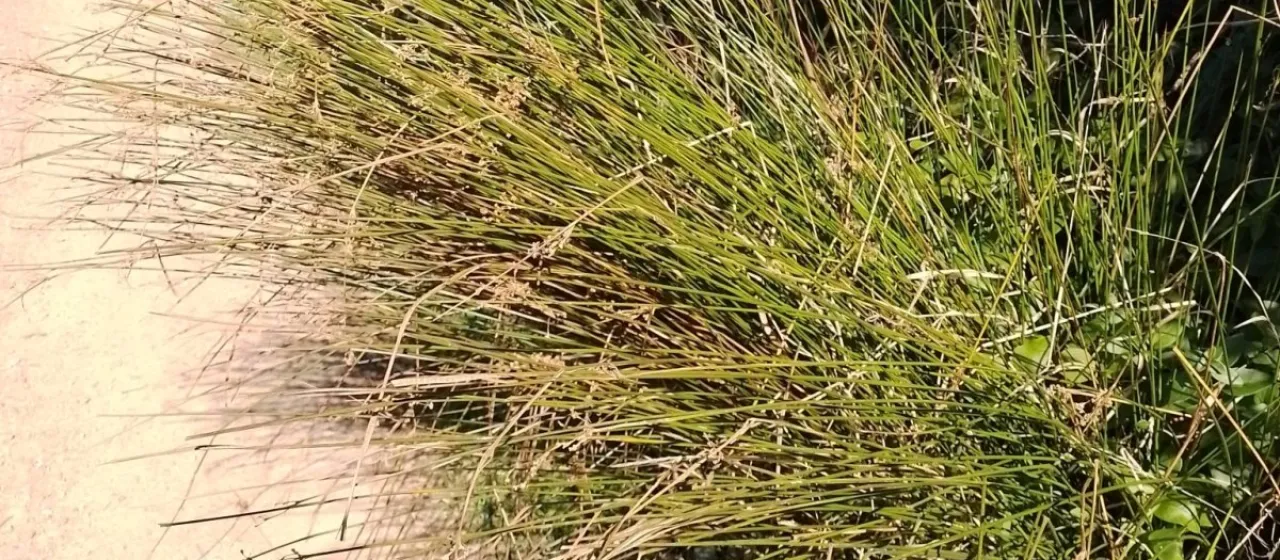
Botanically, Juncus gregiflorus is characterized by dense, tufted growth of rigid, cylindrical, dark green stems. It lacks true leaves, instead possessing basal sheaths at the base of the stems. The inflorescences are dense, lateral flower heads, which give the plant its distinct aesthetic appeal. Its rhizomatous root system is essential for its capacity to spread and withstand periodic inundation.
Agronomic requirements are focused on moisture management, as the plant relies on consistent water availability to maintain its health and vertical structure. Key cultivation practices include:
- Maintaining a high water table or consistent irrigation for wet soil conditions.
- Providing adequate sunlight to ensure optimal stem lignification and overall plant health.
- Occasional thinning or division of mature clusters to maintain vigor and prevent over-crowding.
The primary agricultural and environmental applications include erosion control on pond edges and stream banks, phytoremediation for water quality improvement, and inclusion in sustainable landscape designs. Because of its tough fibers, it has historically served as a functional material for weaving and binding, making it an economically interesting plant in specific craft and ecological restoration sectors.
Juncus gregiflorus is known for its high resistance to common pests and diseases. Problems are rare and typically arise only when the water environment is severely stagnant for extended periods, potentially leading to root decay. Good management practices, including ensuring water movement in aquatic systems and preventing overcrowding, remain the best defense against minor fungal or insect outbreaks.