
Description
Mexican rush (Juncus mexicanus) is a robust perennial herb belonging to the Juncaceae family. It is a distinctive evergreen plant known for its ability to thrive in moist environments and its adaptability to waterlogged conditions, making it a valuable species for ecological management.
The plant originates from the Americas, with its primary range extending from Mexico through various parts of the Southern United States and parts of South America. It typically inhabits marshes, wetlands, and the muddy edges of streams and ponds, playing a critical role in local wetland ecosystems.
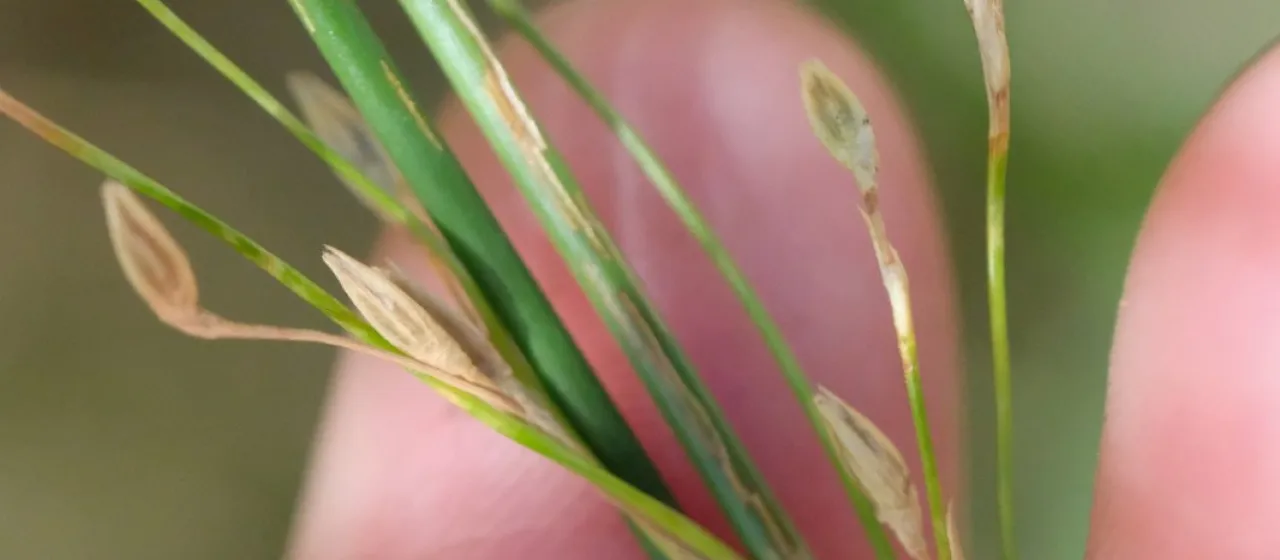
Botanically, Juncus mexicanus is characterized by its cylindrical, rigid, and evergreen stems that rise from thick, branching rhizomes. These stems serve as the primary photosynthetic organs, providing the plant with a sleek appearance and high structural integrity even in fast-flowing water environments.
Agronomic requirements for this species are centered on high moisture availability. It thrives in heavy, poorly drained soils and requires full sun exposure to maintain optimal vigor. While it is highly tolerant of saturation, it can struggle if the soil dries out completely, making irrigation management essential in non-natural settings.
The main agricultural and ecological applications include:
- Stabilizing shorelines and preventing soil erosion in irrigation canals.
- Use in constructed wetlands for phytoremediation and water filtration purposes.
- Ornamental landscaping for pond and water garden edges.
- Harvesting of stems for traditional craft-making such as weaving mats and baskets.
In terms of plant health, this species is relatively hardy. However, it can occasionally be affected by fungal rots when ventilation is poor or when growing in stagnant water conditions for extended periods. Monitoring for pests is generally minimal, as the tough texture of the stems acts as a natural deterrent against most herbivorous insects.