
Description
Small-headed rush (Juncus microcephalus) is a perennial grass-like plant within the Juncaceae family. It is an obligate wetland species, specifically adapted to thrive in saturated soil conditions, which makes it a critical component of healthy riparian ecosystems and water-management agricultural projects.
Originating from the tropical and temperate zones of the Americas, this species is well-distributed across diverse moist habitats. Its geographical range extends from high-altitude wetlands to low-lying coastal marshes, showcasing significant physiological plasticity in adapting to various water quality and light levels found in such environments.
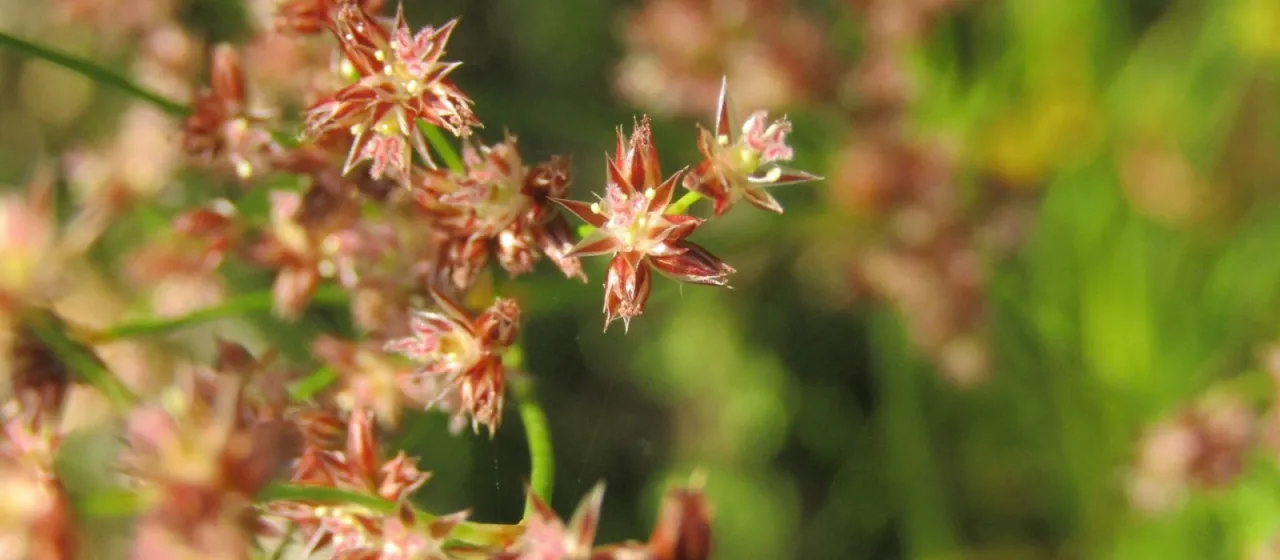
The botanical structure of this plant features cylindrical, pithy stems and characteristic leaves with septa. The inflorescence is arranged in compact, globular clusters—hence the name microcephalus. These clusters differentiate the plant from other Juncus species and serve as a diagnostic feature for identification in the field.
Cultivation requirements focus heavily on hydration. Juncus microcephalus demands constant moisture; the soil must remain saturated, and the plant often thrives with partial submersion in shallow water. In an agricultural setting, maintaining pH balance and avoiding prolonged drought are essential for successful biomass production and plant health.
- High adaptation to waterlogged conditions.
- Significant nutrient uptake from water sources.
- Minimal maintenance once established in the habitat.
- Excellent suitability for ecological filter systems.
The primary utility of the small-headed rush lies in environmental restoration and sustainable landscape design. It is frequently employed in constructed wetlands to improve water quality through phytoremediation, effectively stripping pollutants from agricultural runoff. Furthermore, it is a preferred species for erosion control on pond banks and irrigation canal edges.